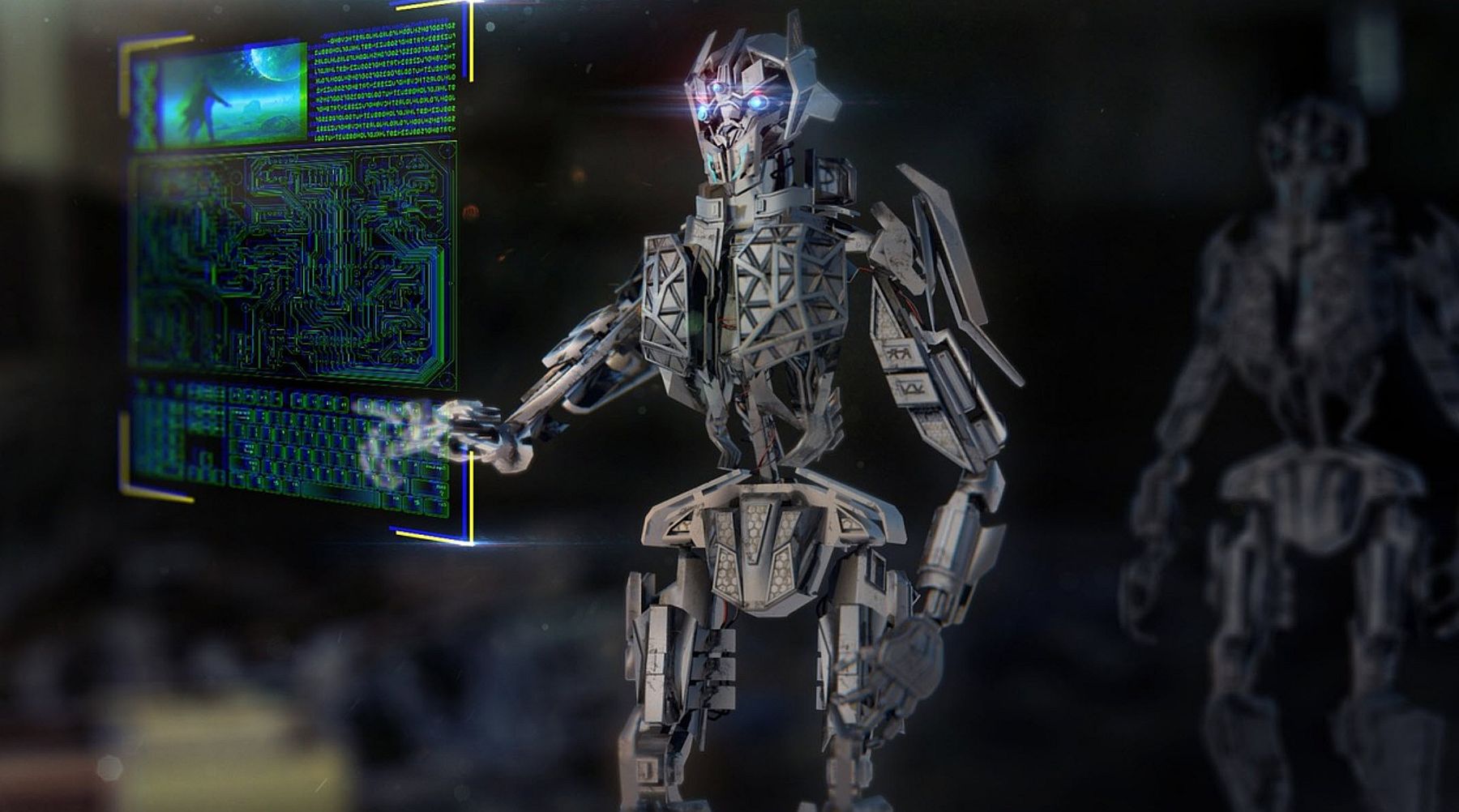
Understanding How Ponas Robotas Connects Technology and Everyday Life
Technology continues to change the way people live, work, and communicate, and robotics has become an important part of this transformation. The keyword ponas robotas can be explored through the broader idea of robots and their growing role in modern society. Robots are designed to perform different tasks, from helping people complete household activities to supporting workers in factories, hospitals, and research centers. Some robots follow simple instructions, while more advanced models use artificial intelligence to recognize objects, process information, and respond to their surroundings. Although robotics may sometimes seem complicated, its purpose is often straightforward: to make certain tasks easier, safer, and more efficient. As this technology develops, understanding its possibilities can help people feel more comfortable with the changes taking place around them.
The Meaning Behind Ponas Robotas
The phrase ponas robotas is Lithuanian, with “ponas” meaning “Mr.” or “gentleman” and “robotas” meaning “robot.” Together, the words can be understood as “Mr. Robot.” The phrase may be used as a name, title, or search term connected with robots and technology, depending on the context in which it appears. Beyond its literal meaning, it brings attention to the growing relationship between people and machines. Robots are no longer limited to science fiction stories or futuristic films. They are becoming familiar tools in many areas of daily life, helping people solve practical problems and explore new possibilities.
How Robots Are Becoming Part of Everyday Life
Robots are increasingly being used to support everyday activities and reduce the time required for repetitive tasks. Robotic vacuum cleaners, for example, help people maintain clean homes with less manual effort. In warehouses, automated machines move products and assist with organizing supplies. Healthcare facilities may use robots to transport equipment, support rehabilitation, or help medical teams carry out specialized procedures. These examples demonstrate how robotics can provide practical benefits when designed around real human needs. While not every task requires a robot, carefully chosen applications can make daily routines more manageable and allow people to focus on activities that require creativity, judgment, and personal attention.
The Role of Artificial Intelligence in Robotics
Artificial intelligence has expanded what modern robots can accomplish. Traditional robots generally perform tasks according to predefined instructions, whereas AI-powered systems can analyze information and respond to certain changes in their environment. Cameras, sensors, and software allow some robots to recognize objects, navigate spaces, and adjust their actions. For example, a warehouse robot may use sensors to avoid obstacles while moving products from one location to another. However, robots do not think or understand the world exactly as humans do. Their capabilities depend on their design, training, available information, and operating conditions. Understanding these limitations is just as important as recognizing the opportunities AI brings to robotics.
Benefits of Robotics for Modern Society
One of the main advantages of robotics is its ability to perform repetitive or physically demanding tasks with consistency. In manufacturing, robots can help assemble products and handle materials in environments where precision is essential. In agriculture, robotic equipment can assist with monitoring crops and managing certain farming activities. These applications may improve productivity, reduce some workplace risks, and help organizations use their resources more effectively. Robotics can also support people with disabilities through assistive technologies designed to improve mobility and independence. When these systems are developed responsibly, they can provide meaningful assistance while allowing people to remain at the center of important decisions.
Challenges and Responsible Use of Robots
Despite their advantages, robots also introduce challenges that deserve careful consideration. Advanced robotic systems can be expensive to develop, purchase, and maintain, which may limit access for smaller businesses and communities. Automation can change employment needs, making training and new skills increasingly important for workers. Safety is another essential concern because machines operating near people must be designed and tested carefully. AI-powered robots may also raise questions about privacy when they collect images, location information, or other personal data. Addressing these concerns requires thoughtful planning, clear safety standards, and responsible decision-making. The goal should not simply be to introduce more technology but to ensure that it genuinely benefits people.
The Future of Robotics and Human Cooperation
The future of robotics will likely involve closer cooperation between people and intelligent machines. Researchers are exploring robots that can assist older adults, support medical professionals, improve disaster response, and help workers perform difficult tasks. Advances in sensors, machine learning, and mechanical design may allow robots to operate more effectively in environments that were once challenging for automated systems. Even so, human judgment, empathy, and creativity will remain valuable in situations that require understanding individual needs and making complex decisions. A balanced approach to robotics recognizes that technology works best when it supports human abilities rather than treating people as unnecessary.
Learning About Robotics Through Curiosity
Learning about robotics does not require an advanced technical background. Beginners can start by exploring simple robots, watching educational demonstrations, or learning basic programming concepts. Small projects involving sensors, motors, and programmable devices can provide a practical introduction to how machines respond to instructions. Students may discover an interest in engineering, while professionals may find ways to apply automation within their industries. Even people who do not plan to build robots can benefit from understanding how these systems work and where their limitations lie. Curiosity and a willingness to learn can make an unfamiliar subject easier to understand and more enjoyable to explore.
Conclusion
Ponas robotas offers an interesting starting point for exploring the relationship between robotics, artificial intelligence, and everyday life. As robots become more common in homes, workplaces, and public services, they provide opportunities to improve efficiency, support human abilities, and address practical challenges. At the same time, responsible development, safety, privacy, and education remain essential to ensuring that these technologies are used wisely. The most meaningful progress in robotics will come from combining technical innovation with an understanding of human needs. By approaching this field with curiosity and a balanced perspective, people can better appreciate how robots may contribute to a more helpful and connected future.