

Fresh CAD renders of Samsung’s upcoming Galaxy S26 Ultra have leaked, giving us our best look yet at what’s shaping up to be a slightly refined evolution of the company’s flagship phone. The device is expected to launch in early 2026 as the direct successor to the Galaxy S25 Ultra.
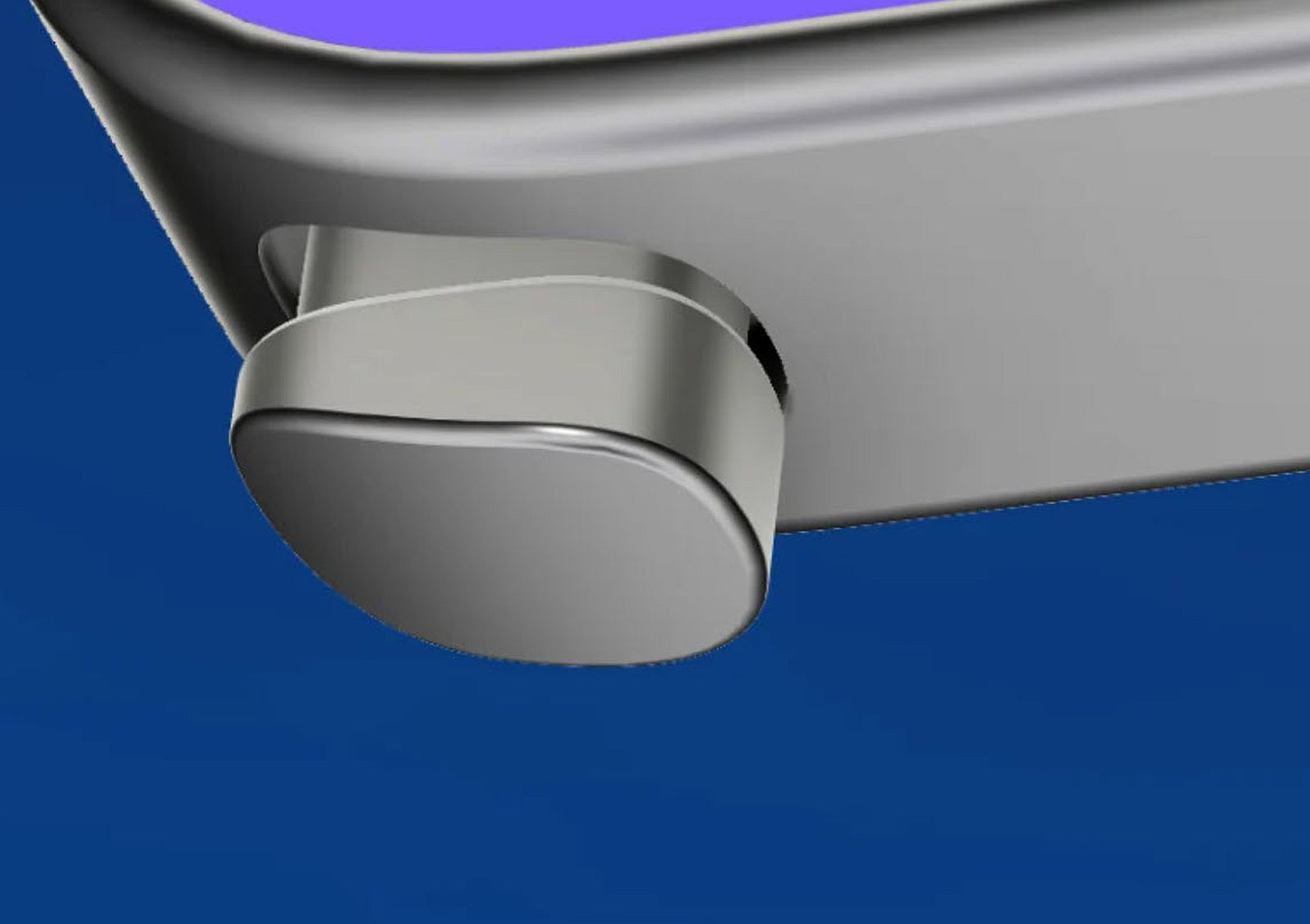
From the front, the S26 Ultra looks familiar: a flat display with slim, uniform bezels and a centered punch-hole selfie camera. What’s different this year is the geometry—corners are noticeably more rounded than on the S25 Ultra, while the frame itself takes on softer edges, hinting at a more comfortable in-hand feel. Samsung seems to be leaning away from the sharp, boxy silhouette of recent Ultra phones in favor of something a touch more ergonomic.
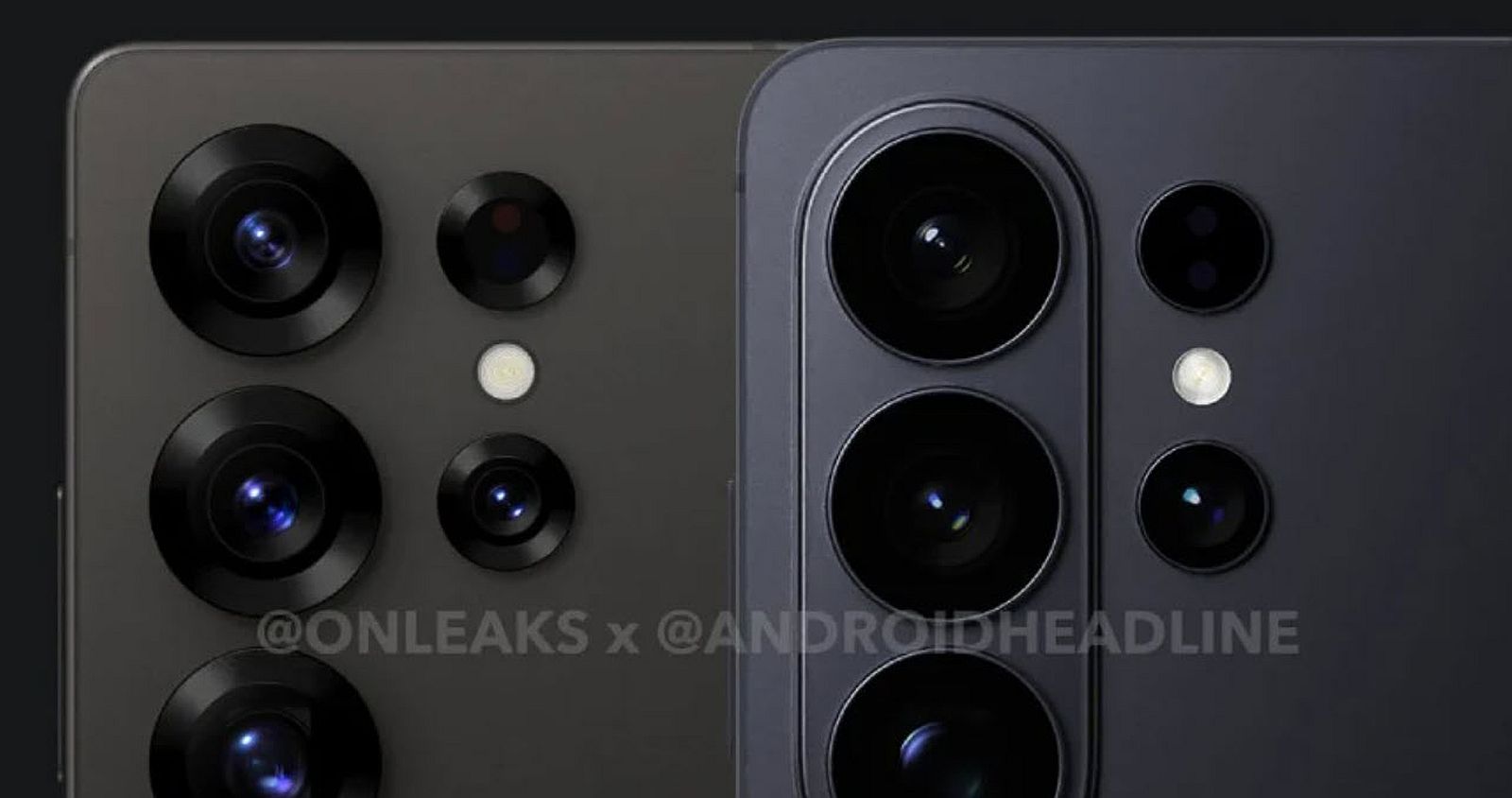
The rear camera system also sees a subtle redesign. Instead of four floating lenses like before, three of the cameras are now grouped in a pill-shaped enclosure, with a fourth sensor offset to the side. This creates a more cohesive, compact camera island, though the entire module still protrudes significantly—something that could impact pocket comfort or wobble on flat surfaces. Above the fourth camera sit the LED flash and an additional sensor cutout, likely reserved for laser autofocus or color temperature sensing.
Spec-wise, leaks suggest the S26 Ultra will keep the 200MP main camera, flanked by a 50MP ultrawide, a downgraded 10MP 3x telephoto, and the same 5x telephoto unit as last year. Under the hood, we’re expecting Qualcomm’s Snapdragon 8 Elite Gen 5 in most regions, with an Exynos 2600 variant possibly reserved for select markets. The device may also see an upgrade to 60W wired charging, paired with a 5,000 mAh battery and a slightly larger 6.9-inch AMOLED panel.
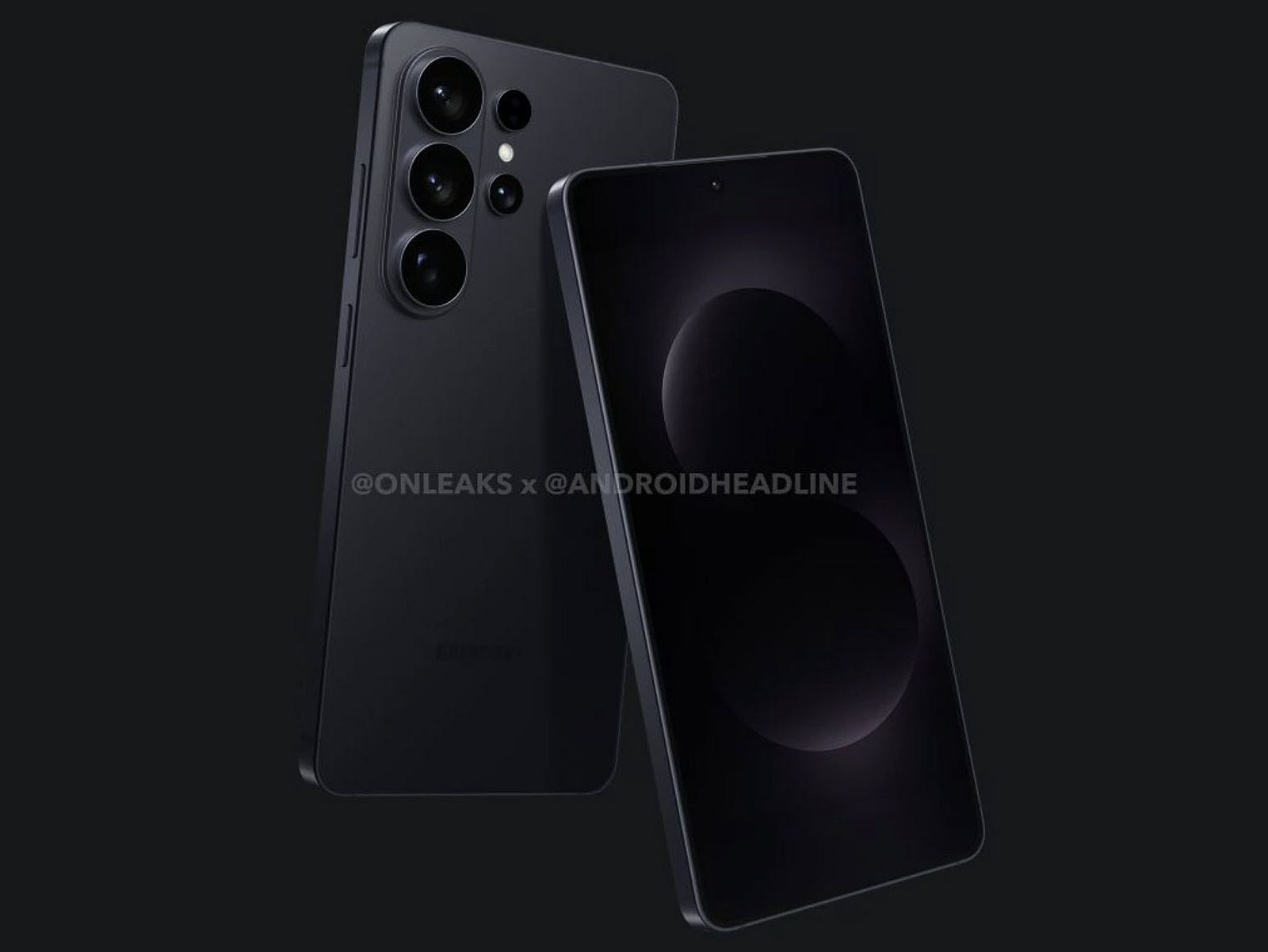
Taken together, the Galaxy S26 Ultra doesn’t look like a radical departure—it’s more of a refinement cycle. Samsung seems to be addressing ergonomics with softer curves, while experimenting with a cleaner camera layout that still keeps the Ultra’s identity intact. If these renders prove accurate, the S26 Ultra may not surprise with its looks, but it could deliver meaningful usability improvements where it counts.
