


For a brief moment in 2025, ultra-slim smartphones looked like the industry’s next obsession. Samsung kicked things off with the Galaxy S25 Edge, Apple followed with the iPhone Air, and suddenly thinness was back as a headline feature, not just a footnote in spec sheets. Chinese manufacturers were clearly watching closely. ZTE tried its luck with the Nubia Air, Motorola rolled out the Edge 70, and behind the scenes, Xiaomi, Oppo and Vivo were all preparing their own answers. And now Xiaomi 17 Air has leaked…
Then reality hit. Sales of these wafer-thin phones were, at best, lukewarm. At worst, they were outright bad. Samsung quietly abandoned the Edge experiment altogether, Apple’s iPhone Air struggled to justify its premium price, and by late 2025 reports out of China suggested that Xiaomi, Oppo and Vivo had all pulled the plug on their ultra-slim projects, even though some were already deep into development.
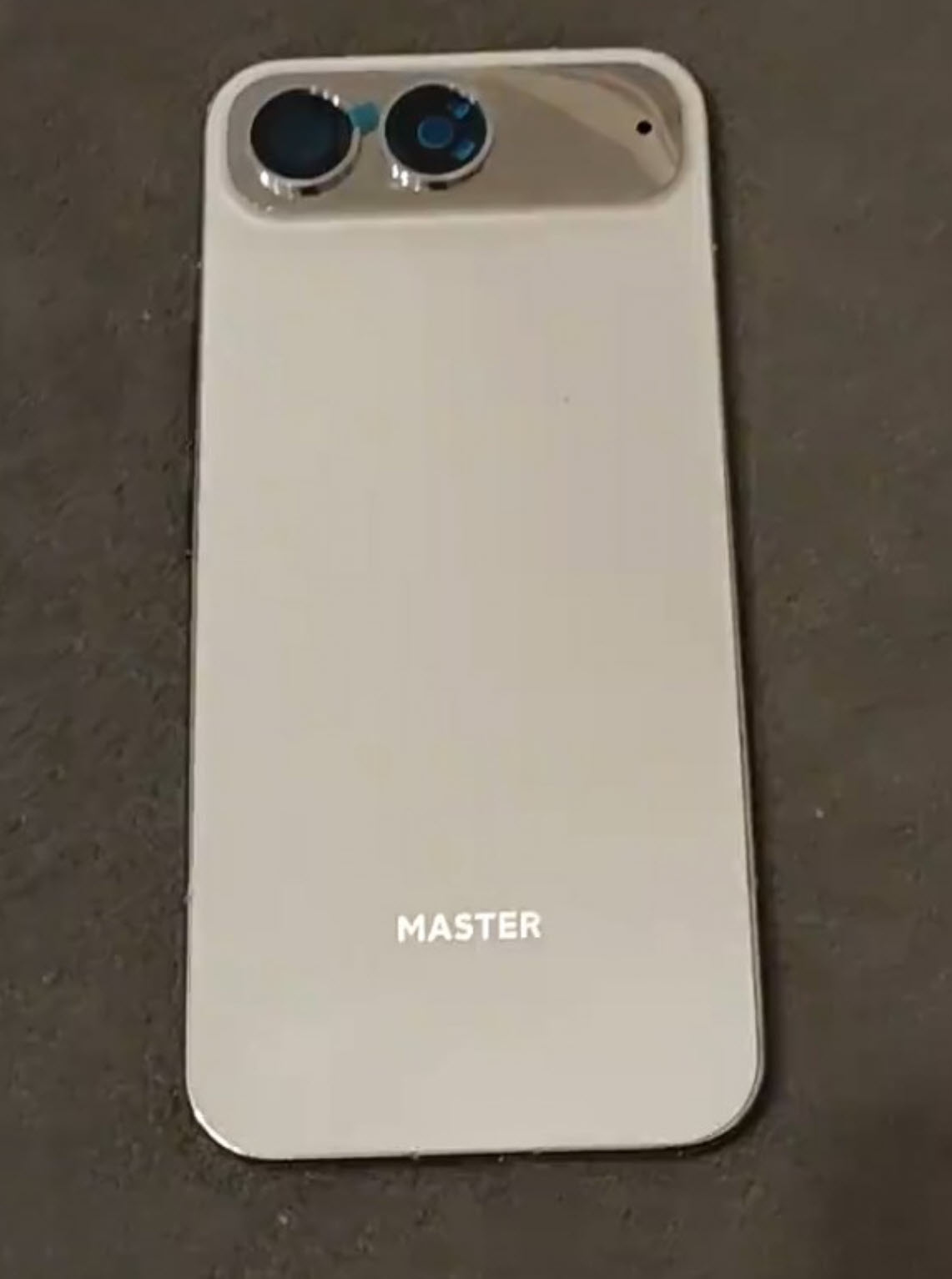
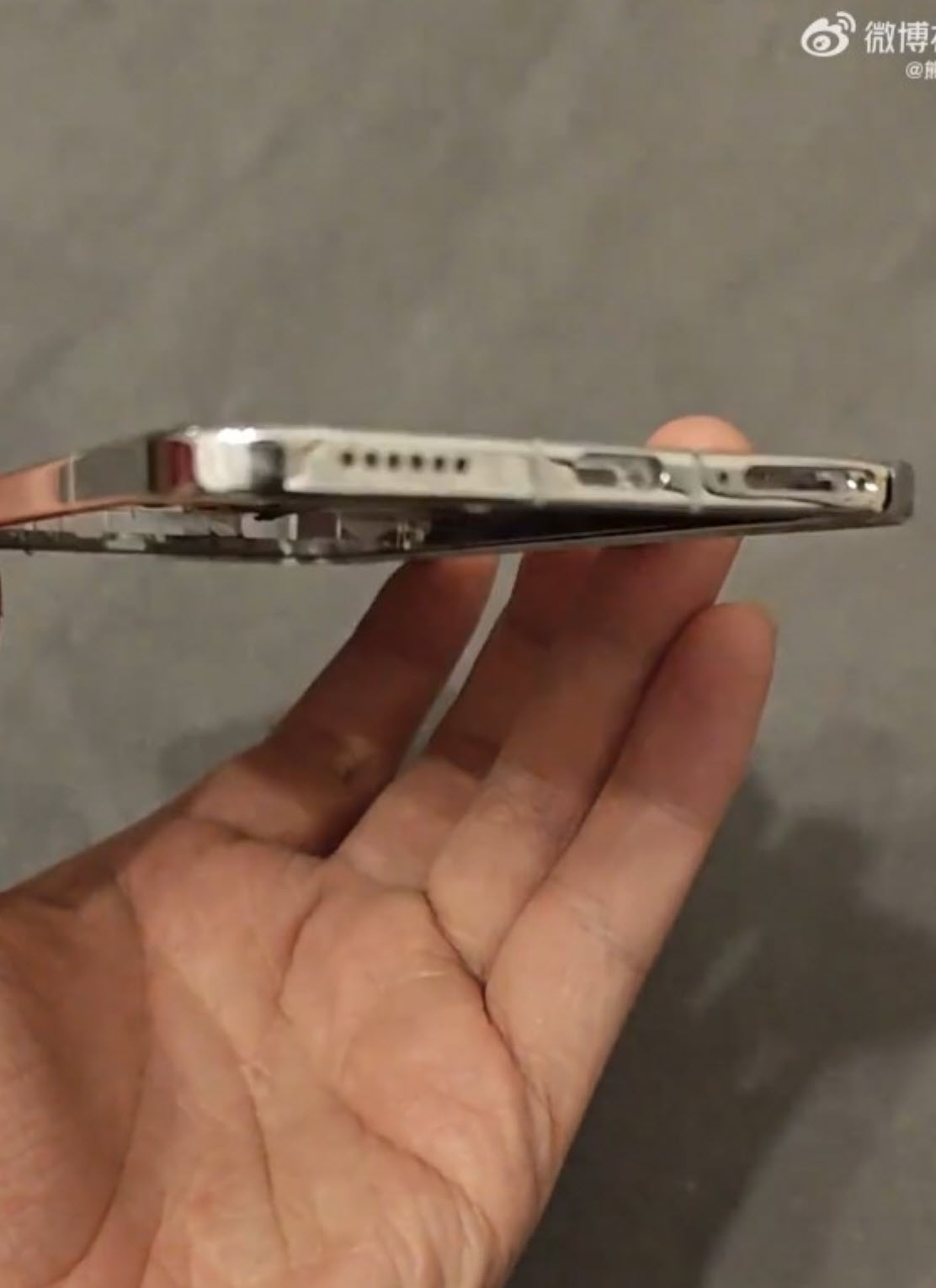
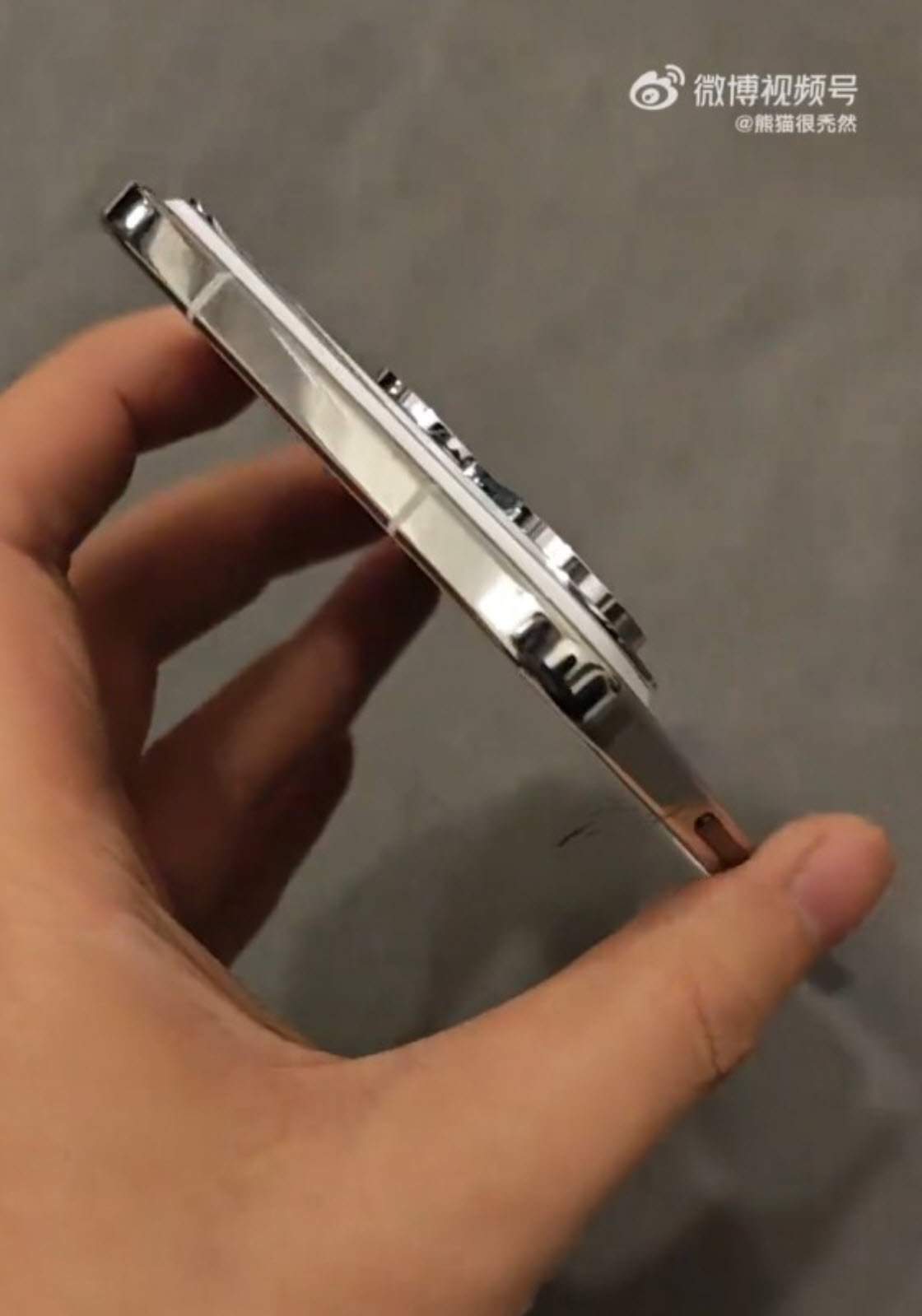
That’s what makes the recent leak of the Xiaomi 17 Air so fascinating — and a little heartbreaking. Shared by well-known leakers on Weibo, the images and short video clips show a phone that looks finished enough to feel painfully close to release. This wasn’t a rough mock-up or a plastic dummy. It appears to be a real prototype, one of a small batch built before Xiaomi decided the market simply wasn’t there.
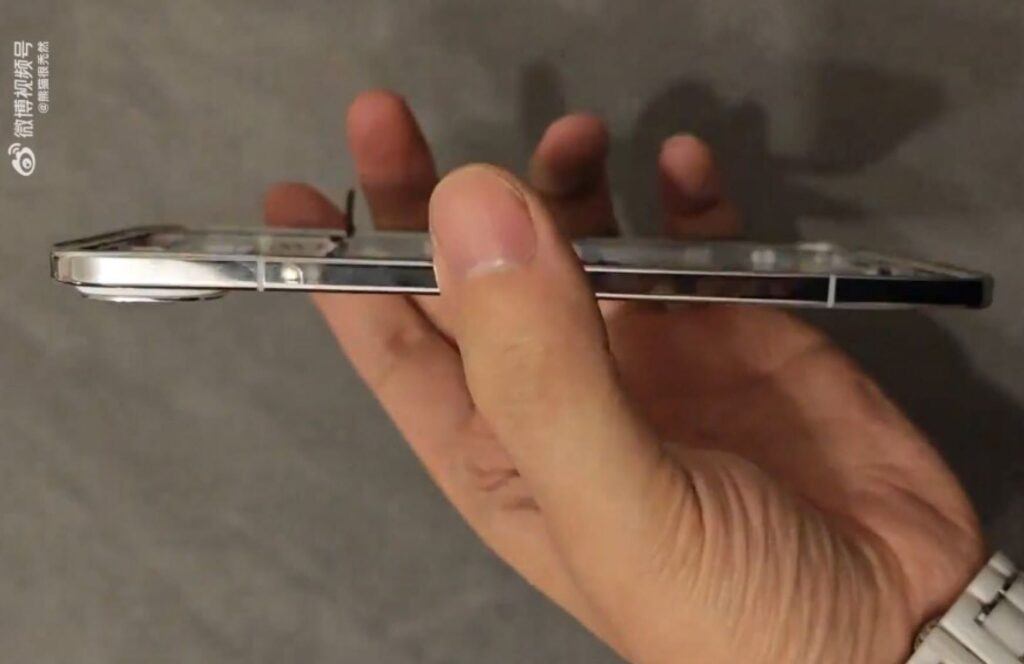
At first glance, the Xiaomi 17 Air looks understated, almost minimalist. The back panel is finished in matte glass, clean and flat, interrupted only by a horizontal camera island with a glossy, metallic sheen. Branding is subtle, with a small “Master” marking near the bottom. From the side, though, the phone’s defining feature becomes impossible to ignore. At just 5.5mm thick, it’s astonishingly slim — even slightly thinner than Apple’s iPhone Air, which came in at around 5.6mm.
According to the leaks, the 17 Air would have featured a 6.59-inch display and, crucially, flagship-level internals. We’re talking about Qualcomm’s Snapdragon 8 Elite Gen 5 chipset, not a compromised midrange processor. The dual rear camera system was said to include a massive 200-megapixel main sensor, with some speculation pointing to hardware similar to Xiaomi’s own Ultra models. If true, this could have been one of the rare ultra-thin phones that didn’t completely fall apart when it came to photography.
Battery capacity is where ultra-slim devices usually collapse, and while details are vague, leaks suggest a cell somewhere below 6000mAh but comfortably above 5000mAh. That would still put it ahead of rivals like the Motorola Edge 70, which topped out at around 4800mAh. It wouldn’t have been miraculous, but it hints that Xiaomi may have found a more balanced approach than its competitors.
Of course, all of this comes with the usual caveats. This is a phone that will never officially exist. Specs can change, prototypes can mislead, and nothing here was locked in for mass production. Still, as someone who spent 2025 testing ultra-slim phones that mostly felt like expensive compromises, the Xiaomi 17 Air feels like the exception that might have made the whole category worthwhile.
Instead, it joins the growing graveyard of “almost” devices — proof that sometimes the most interesting smartphones are the ones we never get to buy.
via GSMArena