


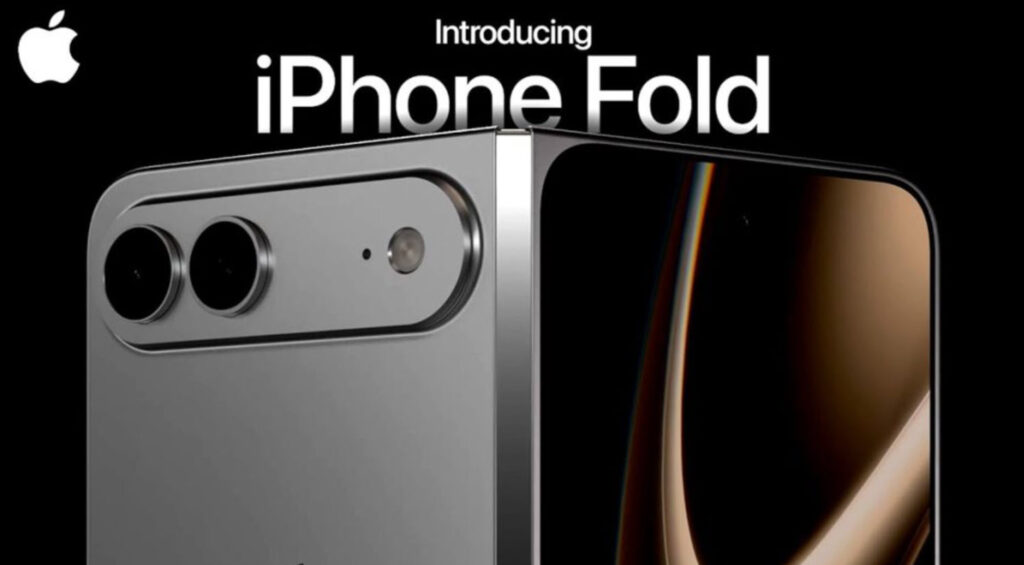
The iPhone Fold has leaked a bunch of times already and today it gets a very detailed video. A new batch of highly detailed renders, courtesy of FrontPageTech’s Jon Prosser paints the clearest picture yet of what Apple’s first folding phone could look like—and maybe more importantly, why Apple seems confident enough to ship it in 2026.
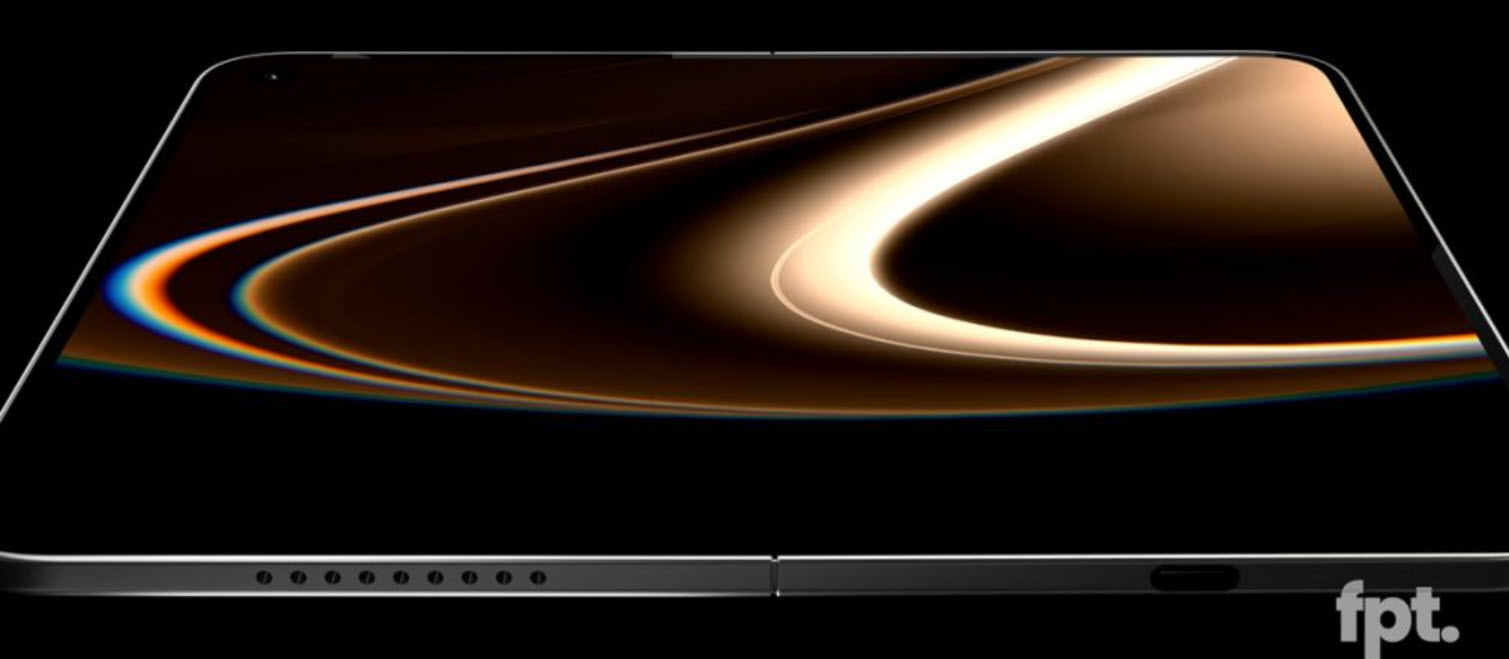
Prosser’s renders show a device that doesn’t chase the tall-and-skinny Galaxy Z Fold aesthetic. Instead, Apple appears to be leaning into a wider, Surface Duo and OPPO Find N–style aspect ratio. When opened, the device becomes a clean, nearly square 7.8–7.9-inch canvas—basically an older iPad mini in folding form.
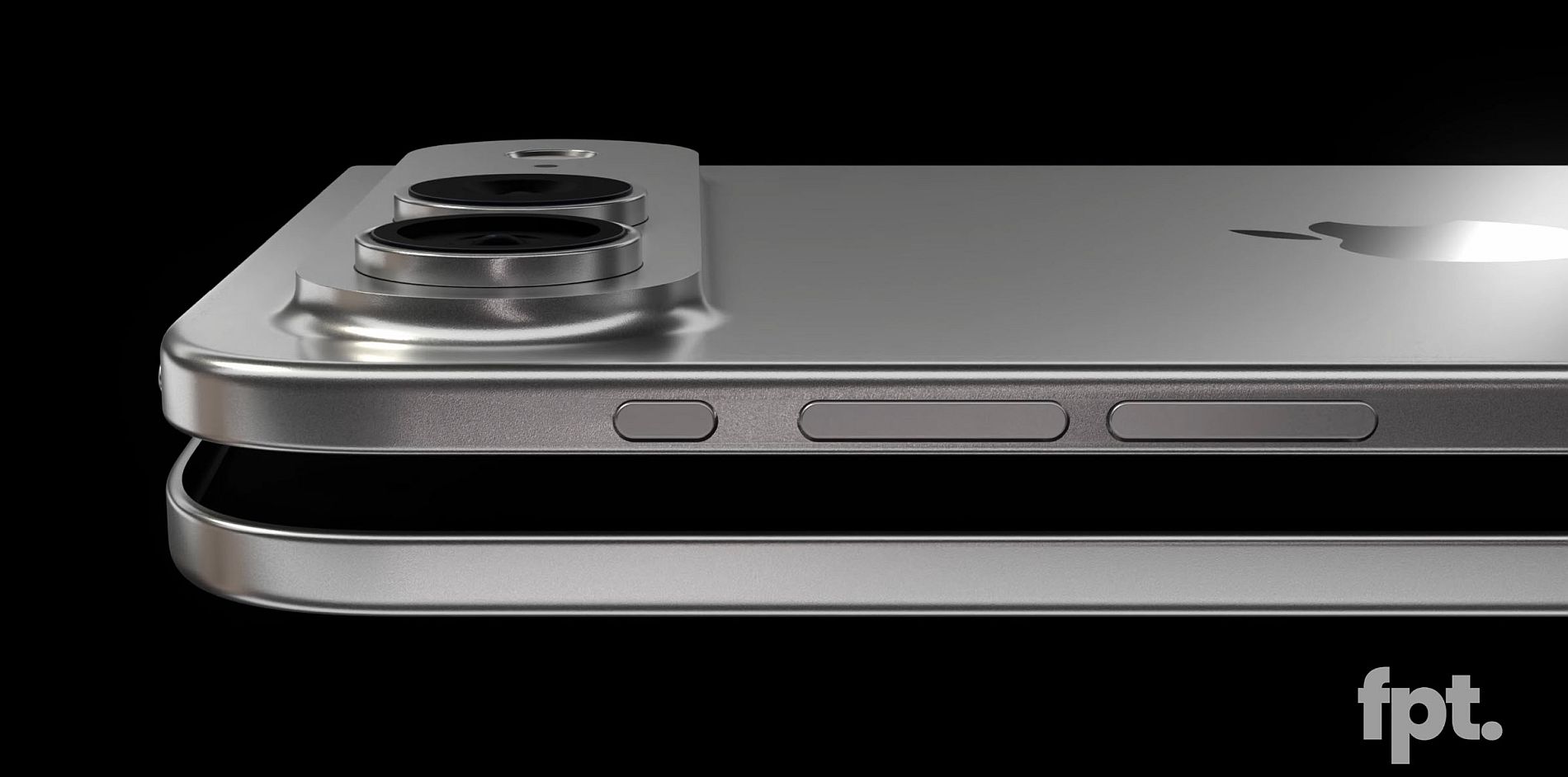
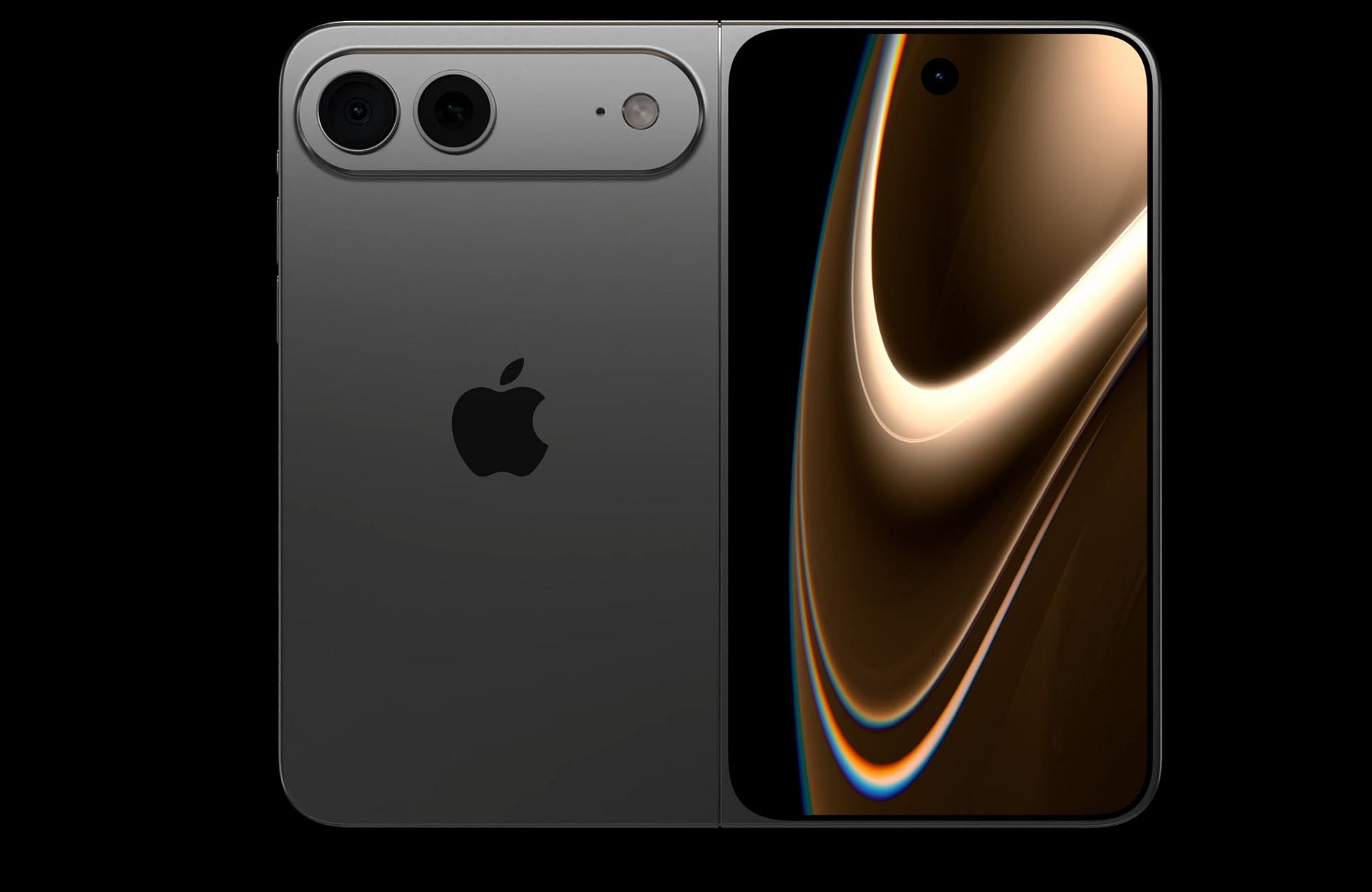
Closed, you’re looking at a compact 5.5-inch exterior display that sits flush against a sharply milled aluminum frame. The camera bump of the iPhone Fold is unmistakably Apple: an elongated “pill” module reminiscent of the leaked iPhone Air 2 designs, but with only two sensors—suggesting Apple may skip a dedicated telephoto lens on this first-gen foldable.

The defining promise of these renders is simple: no crease.
Current foldables don’t hide their hinge lines—they negotiate with them. Apple, apparently, doesn’t want to negotiate. According to Prosser, the company is using:
- a pressure-dispersing internal metal plate
- liquidmetal components in the hinge
- an in-cell touch layer optimized for folding panels
All of this supposedly smooths out the display so the center doesn’t form the vertical “valley” every foldable phone has trained us to tolerate.
This matches various upstream reports mentioning Apple’s work on ultra-thin flexible glass (UFG). If the crease-less promise holds up, that becomes the most Apple-like contribution to foldable hardware since Samsung first dragged the category into the mainstream.
The dimensions of the iPhone Fold support that ambition: 4.5 mm thick when unfolded, and 9 mm when folded—thinner than most current competitors.
Prosser claims Apple has ditched its flagship biometric system here, opting instead for Touch ID integrated into the power button, which appears repositioned to the top frame. In a foldable world where the main screen might be open, closed, or half-open, a fingerprint sensor is simply more consistent—and likely more power-efficient.
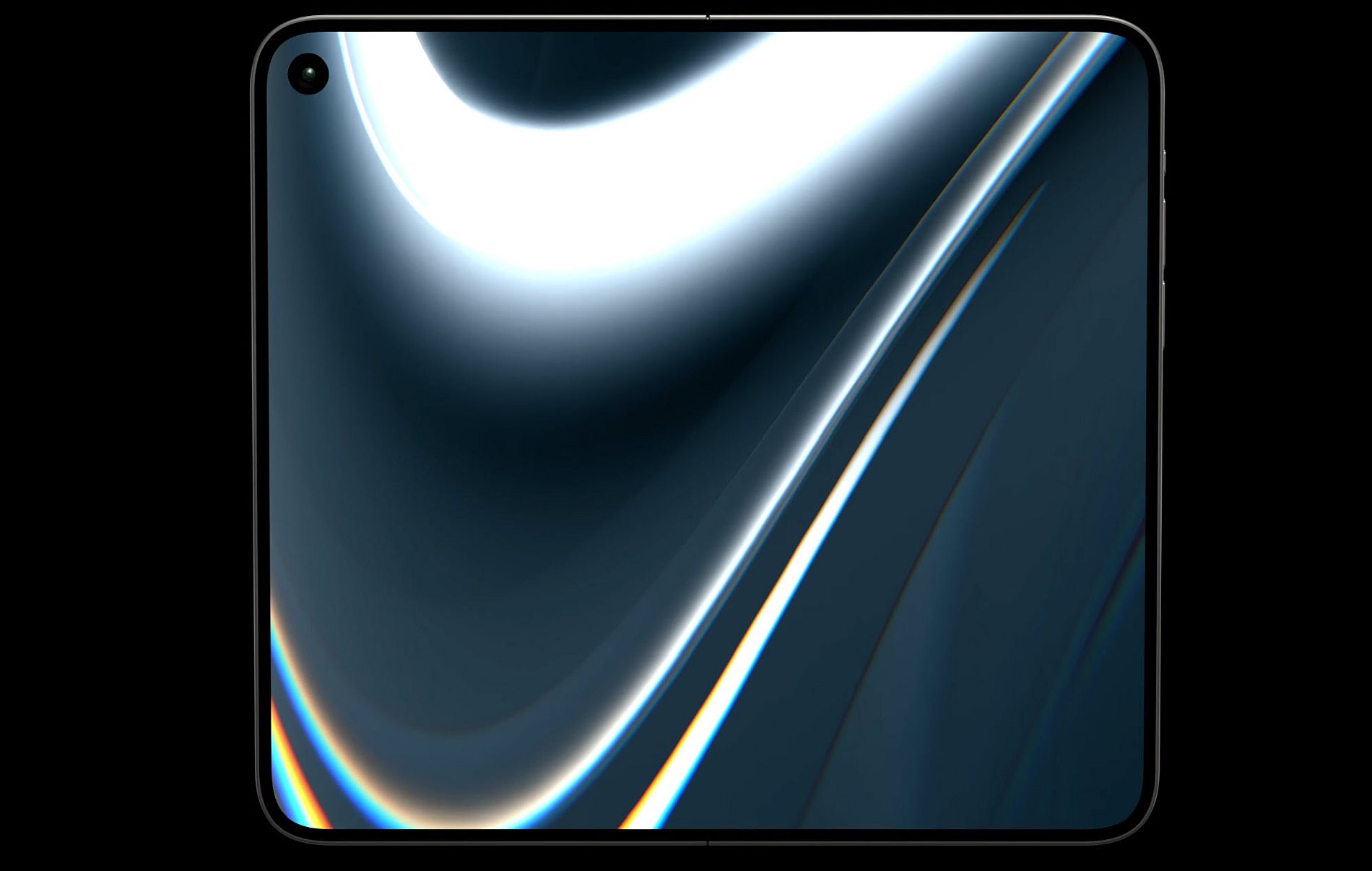
Apple seems uncharacteristically reserved with imaging hardware here. Two rear lenses only. No periscope. No triple-camera flexing. And while there are selfie cameras on both the cover and internal screen, Apple is reportedly skipping the under-display approach. That could be a matter of quality control—under-panel optics still have compromises Apple likely detests.
The front-facing hole-punch on the foldable interior screen is the one aesthetic choice that feels very un-Apple. It’s functional, but it breaks the symmetry in a way Apple has historically avoided.
Prosser claims the iPhone Fold will land somewhere between $2,000 and $2,500. That’s aggressive only in the sense that it’s not even higher. For a product positioned as Apple’s “third iPhone” of 2026—alongside the iPhone 18 Pro and Pro Max—it sets the stage for the Fold to be Apple’s most premium mobile device.
Only two color options are expected at launch: black and white. Classic, safe, premium—another sign that Apple wants its first foldable to behave like a flagship, not a toy.
via Front Page Tech