


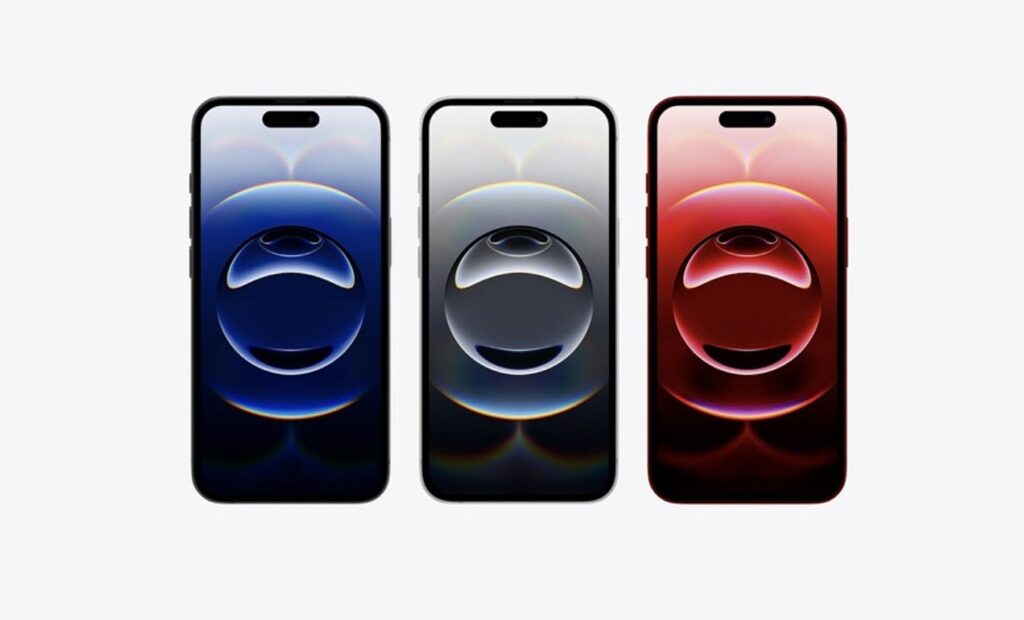
Buying a brand-new flagship smartphone in 2026 is not cheap. Both the iPhone 17 Pro and the Samsung Galaxy S26 Ultra start at AU$1,999 in Australia. For most buyers, that is a serious amount to spend on a phone. That cost is pushing more people toward the refurbished market, and the availability of second-hand Apple iPhones in Australia has grown considerably, with more grades, models, and price points on offer than most buyers expect.
But choosing between Apple and Samsung in the refurbished market is not always obvious. Both brands have real strengths. Both have trade-offs. The better choice depends on what you actually need from a phone, and this guide breaks that down category by category.
Software Support: Apple Still Has the Longer Runway
Software support is the single most important thing to check before buying any refurbished phone. A device that stops receiving security updates or OS upgrades within a year of purchase is not worth the saving, regardless of how good the hardware looks.
Apple’s track record here is difficult to argue with. As of 2026, iOS 26 supports iPhones going all the way back to the iPhone 11. That means older refurbished models still receive the latest system updates, which is a remarkable support window by any standard. Buyers who research how long refurbished phones actually last will consistently find that software support is the primary factor that determines real-world longevity, well above hardware condition or battery health.
Samsung has improved considerably in this area. The Galaxy S24 series now carries a commitment of seven years of OS updates and seven years of security patches. That is a meaningful shift and puts Samsung’s newest flagship line on competitive ground with Apple for long-term ownership. The catch is this only applies to the S24 and newer. Older mid-range Galaxy A-series models from 2022 or earlier typically cap out at two to three years of support.
Quick breakdown:
- iPhone 11 and newer: supported on iOS 26 in 2026
- Samsung Galaxy S24 and S25 series: up to 7 years of OS updates
- Samsung Galaxy A-series (2022 and older): 2 to 3 years of support at best
For buyers who want to keep a phone for four or five years without worrying about it falling behind, Apple’s update history gives a wider safety margin on older models.
Price and Value: Samsung Depreciates Faster
Samsung devices lose value more quickly than iPhones, and in the refurbished market that generally works in a buyer’s favor. A refurbished Galaxy S22 or S23 delivers a high-quality display, versatile cameras, and 5G connectivity at a price that sits noticeably below a comparable iPhone from the same era.
Certified refurbished phones are typically 50 to 70 percent cheaper than their original retail price, as covered in this TechTimes breakdown of refurbished phone value in 2026, and Samsung tends to reach those lower price points sooner after launch. That creates a real opportunity for buyers who want near-flagship performance without spending close to a flagship price.
iPhones retain their value for longer, which works against a buyer upfront but pays off at resale. Refurbished Apple devices consistently hold stronger resale prices than Android alternatives, which makes them a more practical choice for anyone who upgrades on a regular cycle.
Camera Performance: Closer Than You Think
Both brands produce excellent results in 2026, but the approach to photography is genuinely different between them.
- iPhone is known for natural color reproduction, reliable low-light output, and video quality that remains one of the strongest in the industry across Cinematic and Action modes
- Samsung leads on optical zoom range, megapixel count, and manual control flexibility, particularly on S-series Ultra models
- Samsung’s image processing tends to over-sharpen detail, which can look artificial in some conditions
- Apple’s processing is more consistent across different environments and generally requires less editing afterward
For video work or shooting in unpredictable lighting, iPhones tend to produce more reliable results. For users who want zoom versatility and more detailed stills, Samsung’s S-series offers hardware that genuinely competes at a high level.
Ecosystem and Daily Use
This factor gets underestimated more than any other. The phone that fits best is often the one that works with everything else you already own.
If you use a MacBook, iPad, or Apple Watch, an iPhone connects to all of them with minimal setup. Features like AirDrop, Handoff, and Continuity Camera create a seamless flow between devices that Android does not replicate in the same way.
If your setup is built around Windows or Google services, Samsung’s Galaxy lineup fits naturally into that workflow. Samsung’s One UI is one of the more refined Android experiences available, and it offers a level of customization that iOS simply does not allow.
Which One Should You Buy?
A refurbished iPhone makes more sense if you:
- Want the longest software support window on an older model
- Already own Apple devices and use services like iCloud or Apple Watch
- Plan to resell within a few years and want stronger trade-in value
- Prefer consistent video and camera output without heavy post-processing
A refurbished Samsung makes more sense if you:
- Want flagship-level specs at a lower upfront price
- Prefer the flexibility and customization of Android
- Need more zoom range and camera hardware options
- Are already using Google services or a Windows-based setup
Android buyers who settle on Samsung will find a wide selection of used Samsung Galaxy phones available across different price points in Australia, covering everything from affordable mid-range models to S-series devices that still hold up well against current flagships on the specs that matter most day to day.
The Bottom Line
Apple and Samsung both make strong cases in the refurbished market. Apple leads on software longevity, ecosystem consistency, and resale value. Samsung leads on upfront pricing, hardware variety, and zoom camera capability. For Apple buyers specifically, a 2026 ranking of refurbished iPhone models by KnowYourMobile makes a strong case that recent-generation devices represent some of the best value currently available in the smartphone market, though the right answer still comes down to individual priorities.
Figure out what matters most to you: long-term support, camera style, starting price, or ecosystem fit. Once that is clear, the choice between a refurbished iPhone and a refurbished Samsung becomes far easier than the brand debate suggests.