



The leading mobile phone manufacturers are always working to deliver better resolutions, brighter colours and more impressive visuals. These innovations have fuelled the mobile gaming revolution that’s seen companies go from start-ups to global giants almost overnight.
While there’s no doubt that consumers want better-looking games, screen size is important. Companies such as Apple and Samsung are pushing the limits of what’s acceptable with the Pro and Plus versions of their latest devices. However, there comes a point when a smartphone is too big to be considered a smartphone anymore.
Because of this, games have been impacted. Indeed, players often have to compromise on size for convenience. Well, that may not have to be the case forever. We’ve previously covered tri-fold phones. They may not be perfect, but devices such as the Huawei Mate XT do provide the extra screen capacity required to make games more immersive while maintaining the smartphone dynamic.
Games that Give Back
Size, of course, isn’t everything. A bigger screen size would definitely make a game such as Cash Eruption more visually impressive. However, there’s more to games than visuals. Indeed, if we stick with Cash Eruption, you’ll see that players enjoy its fiery aesthetic and volcanic bonus round. The developers behind Cash Eruption, and other games like it, could bring these features to life using haptics.
Haptic technology provides physical feedback when smartphone users perform specific actions. This feedback often comes in the form of vibrations. So, let’s say the player triggers a volcanic eruption. The on-screen animations could be linked to haptic feedback to make it feel as though the aftershocks are rippling through the player’s smartphone. It’s a small detail but one that could make Cash Eruption and other games more engaging.
In addition to larger screens and haptic feedback, artificial intelligence (AI) could be used to make mobile games more dynamic. The developers of online chess games have used AI for a few years now. Specifically, AI is used to make games increasingly more difficult based on the software learning how someone plays and adapting accordingly. The game strategy could be useful for the developers of mobile games.
Smart Characters Make Smart Games
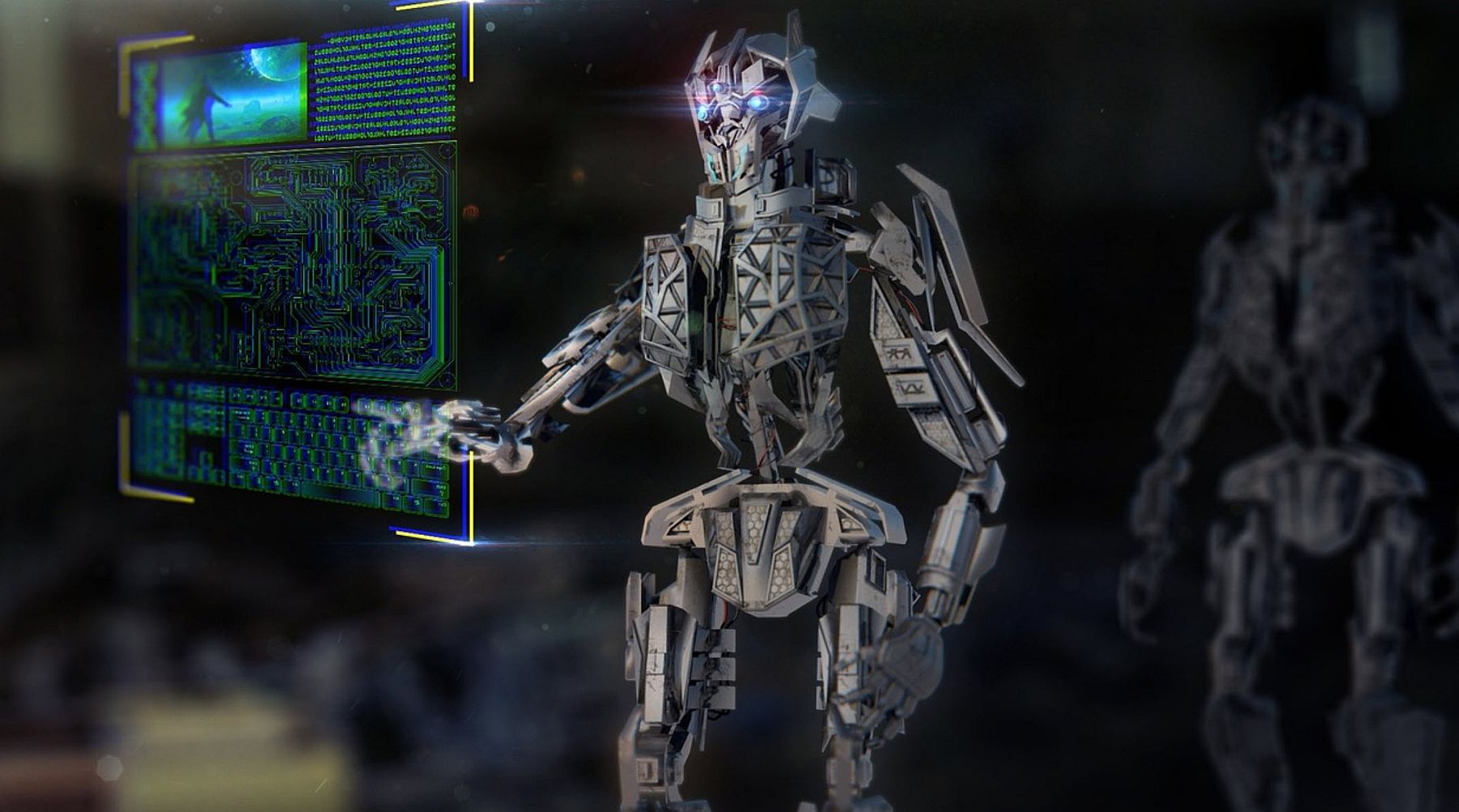
Photo source: Pixabay
Virtual AI opponents could adjust their strategy based on machine learning. We’ve already seen this on a large scale with supercomputers such as Libratus back in 2017. At the time, AI was still a relatively new concept for the average person on the street. It wasn’t widely available to the masses via programs such as ChatGPT.
Now that AI is more powerful and, importantly, widely available, it could be used to make mobile poker games more interactive. Taking inspiration from Libratus, developers could create a series of AI-powered opponents for human users to play against. Each opponent could be programmed to learn and react in different ways to simulate the variety of styles people typically encounter at a poker table.
Again, the end result would be a more engaging and entertaining experience. Making games more engaging and entertaining is the goal of every developer. Mobile technology is improving all the time, which means the games we play are bound to become bigger, brighter and more immersive.
From larger screens and physical feedback to smart characters capable of reacting to our moves, there are plenty of things to look forward to if you’re a fan of gaming on the go.