


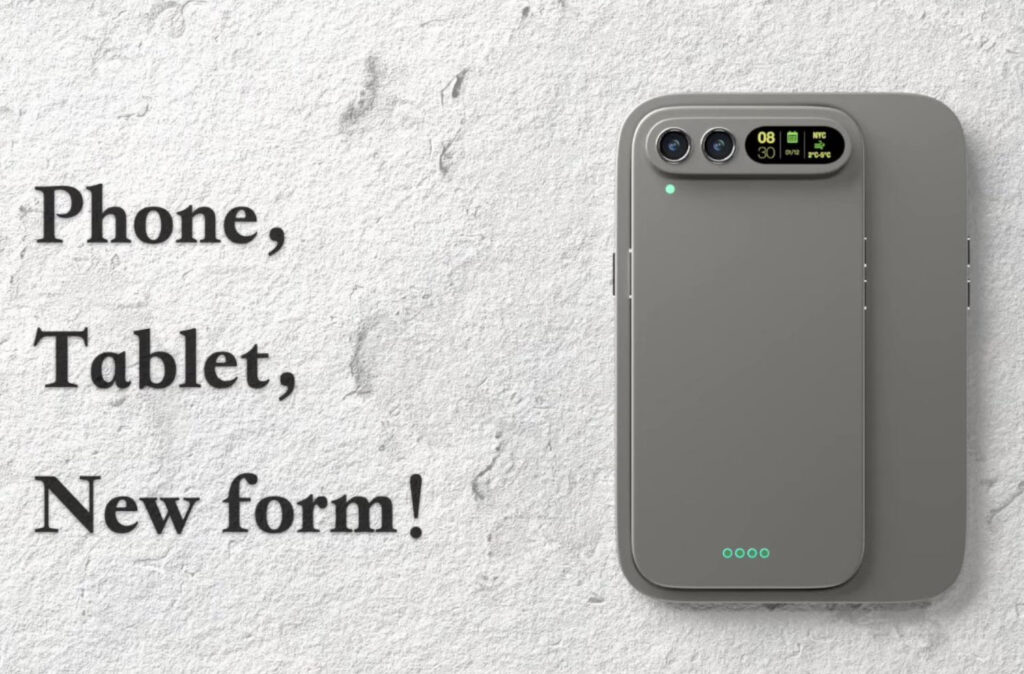
In an age where we crave large screens for content consumption yet demand pocketable devices, the smartphone industry has tried to strike a balance—with foldables often being the go-to answer. But foldable phones, while innovative, introduce their own compromises: fragility, added complexity, and steep prices. What if there was a simpler, more elegant solution? A new industrial design concept by Mechanical Pixel takes a different path—one that revives a modular idea with modern finesse and practicality.
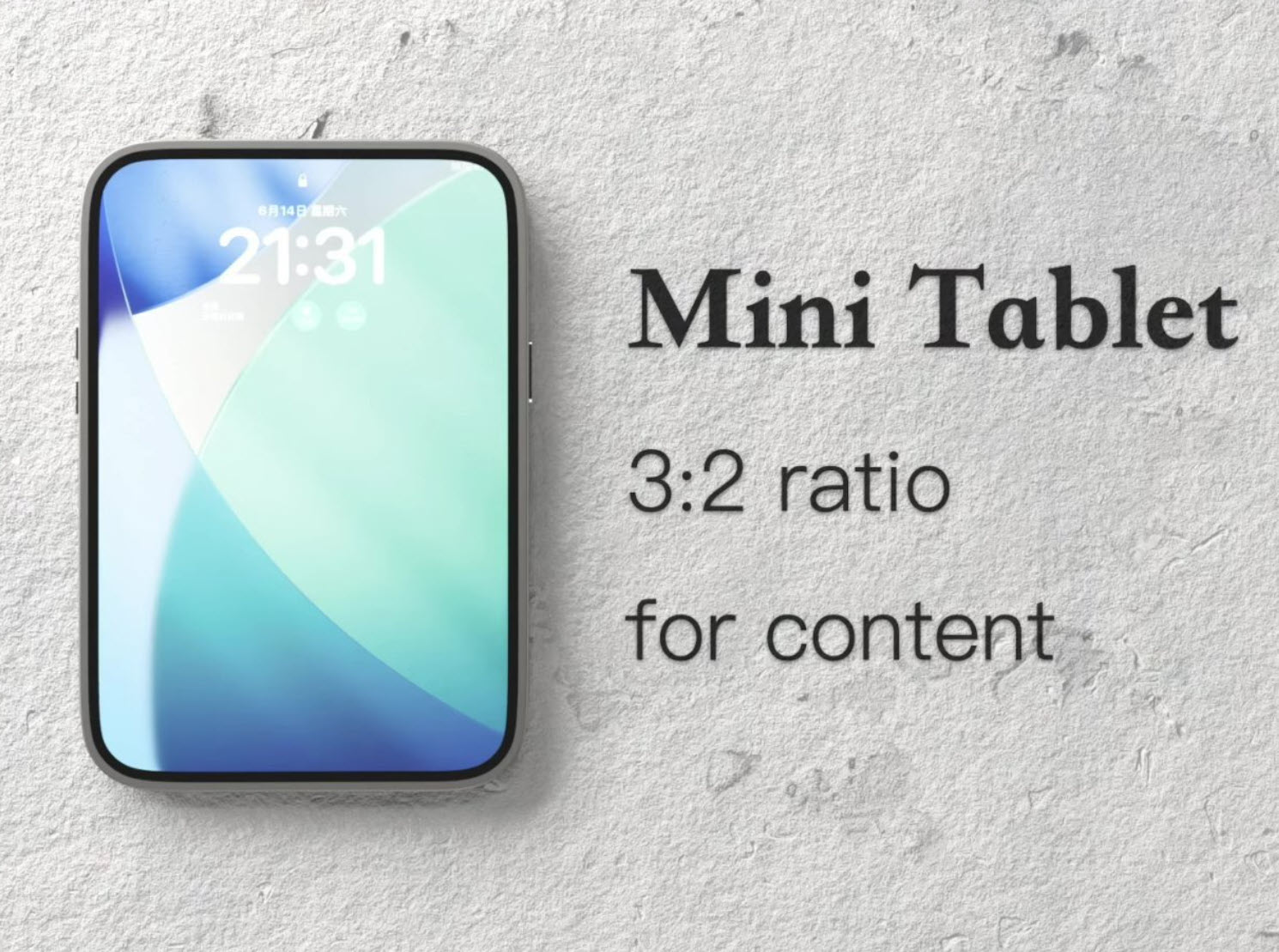
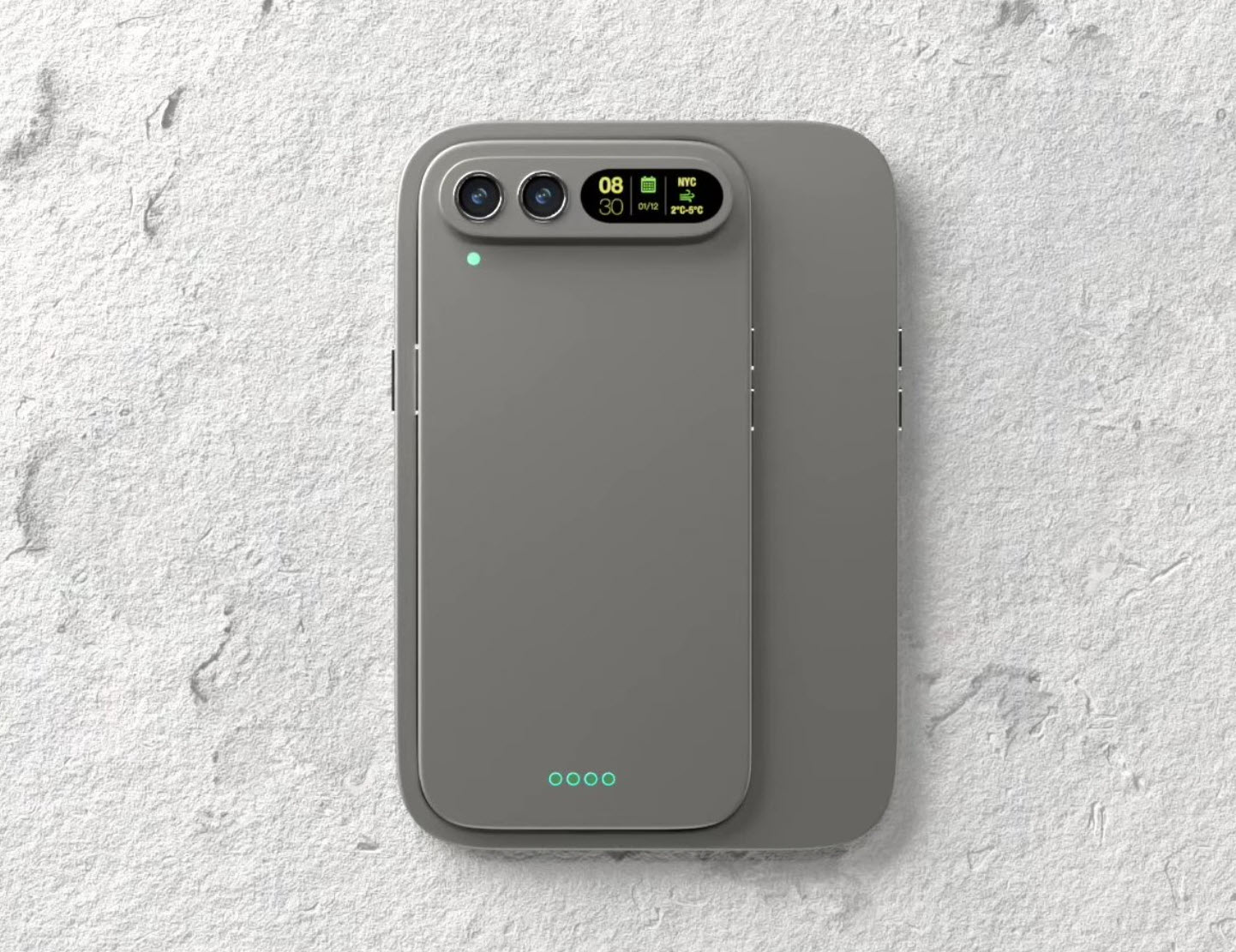
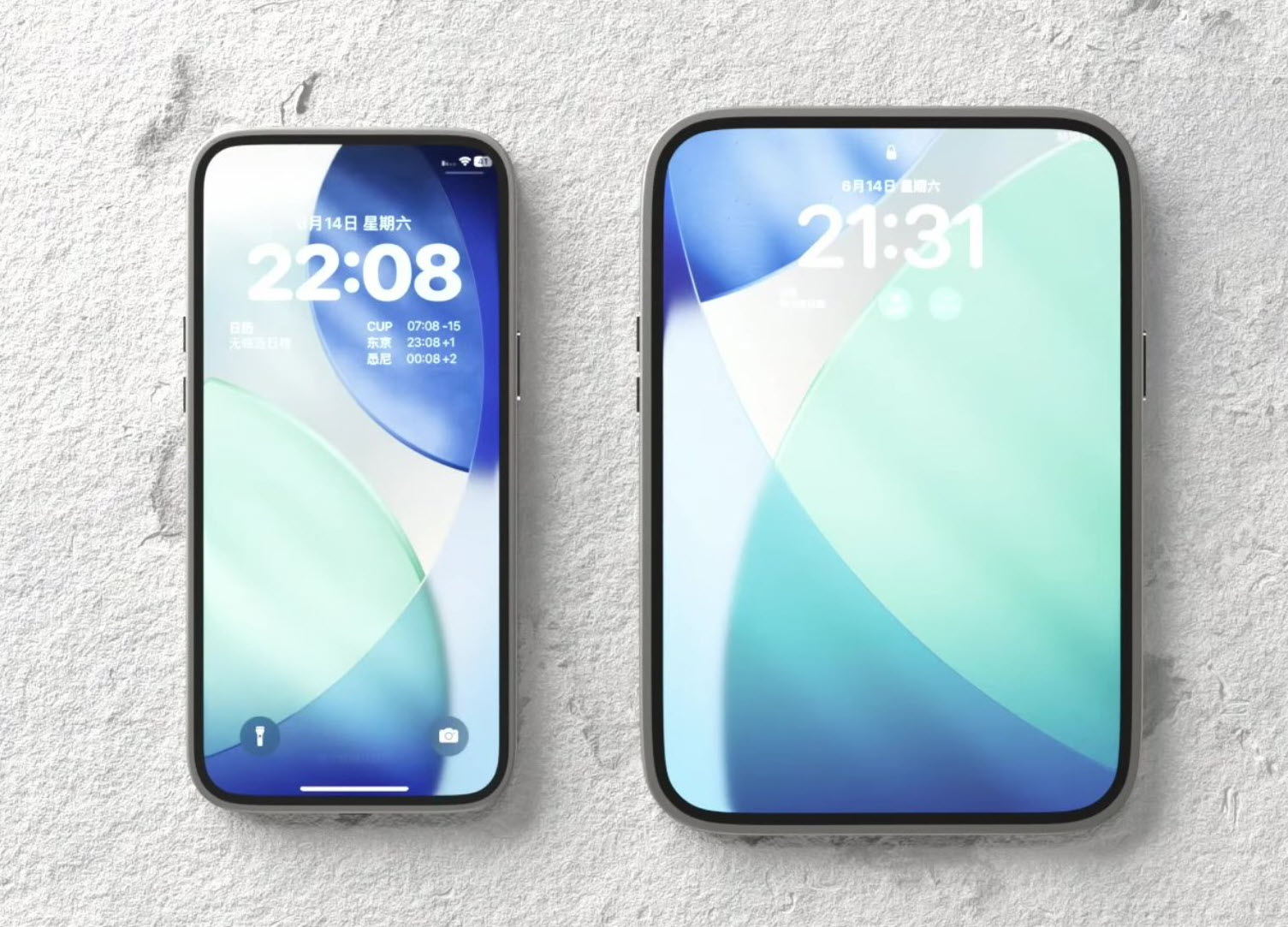
This new hybrid design proposes a minimalist, two-part device: a regular smartphone that docks into a slim external display, effectively turning it into a mini tablet. At first glance, it looks like a stylish, compact phone with a clean matte finish and a dual-camera system. But the real magic lies in the ability to slide it into the back of a tablet-sized frame. Once docked, the phone becomes the processing unit while the external display—roughly the size of an iPad mini—functions as a visual extension. This transforms your everyday phone into a 3:2-ratio mini tablet, ideal for watching videos, reading documents, or multitasking, without the creases and bulk that plague most foldables.

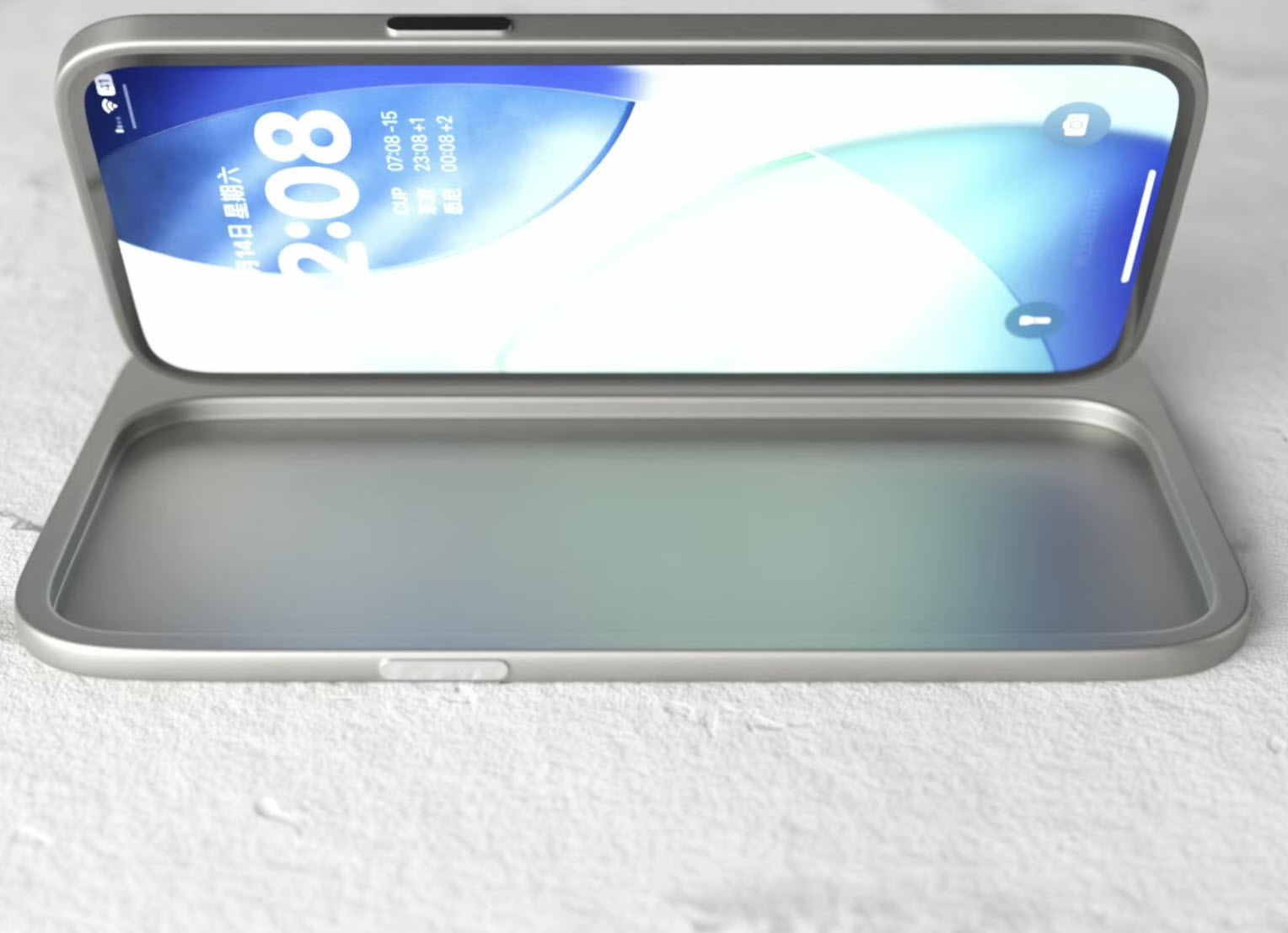
Compared to ASUS’s early PadFone series, this design feels far more refined and accessible. It trades the chunky, plasticky docks of the past for a sleek, aluminum-looking chassis that supports both vertical and horizontal orientation. You can even prop it up like a mini laptop for casual content viewing or productivity. The included rear display near the camera offers glanceable info like time, date, battery, and weather—a clever touch of ambient intelligence even when the full screen is not in use.
Of course, modularity isn’t without trade-offs. Carrying two components means there’s always a chance of misplacing one. There are also questions around battery efficiency, wireless connectivity between the parts, and durability in real-world scenarios. Yet these drawbacks might be worth it for users who value flexibility and repairability. Unlike foldables, this system allows you to upgrade the phone or display independently or replace one if damaged, lowering long-term ownership costs.
For now, this remains a concept—an idea sketched into a series of renders rather than a commercial product. But it serves as a compelling case study in industrial design thinking: practical, modular, and user-centric.
via Yanko Design