


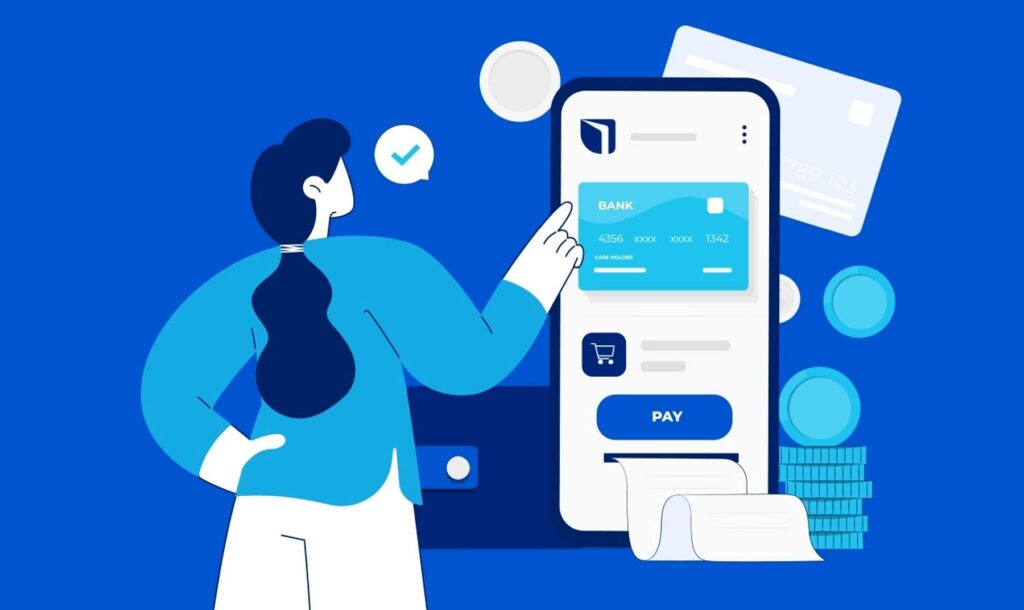
Mobile wallets have become one of the most transformative innovations in consumer technology over the last decade. What started as a convenient way to store credit cards and make quick payments has rapidly evolved into a broader ecosystem that touches almost every aspect of our digital lives. Today, wallets are not only about transactions — they are about trust, identity, and seamless integration across platforms.
This evolution also highlights the rise of customizable solutions, such as a white label crypto wallet, which allows businesses to adapt wallet technology to their own brand and audience. From fintech startups to telecom providers, the demand for secure and flexible wallet solutions continues to grow as mobile devices become central to personal finance and beyond.
From Simple Payments to Super Apps
In the early days, mobile wallets were primarily digital versions of physical wallets: a place to keep cards and make tap-to-pay transactions. But today’s wallets are moving toward the “super app” model, integrating everything from peer-to-peer transfers and loyalty programs to ride-hailing, online shopping, and even healthcare access.
Asia has been leading this transformation, with apps like WeChat Pay and GrabPay redefining what a mobile wallet can be. In other markets, Apple Pay and Google Wallet are steadily adding more features to keep pace with changing consumer expectations.
Digital Identity: The Next Big Shift
The future of wallets isn’t just about payments — it’s about identity. Governments and private companies are exploring digital IDs stored directly within wallets, allowing people to prove who they are, access services, and sign documents securely, all from their smartphones.
Imagine boarding a plane without a passport or checking into a hotel without physical ID. With secure, blockchain-based identity systems, mobile wallets could soon handle these processes. For businesses, this opens up new opportunities in authentication, customer onboarding, and compliance.
The Role of Blockchain and Crypto
Blockchain technology is another key driver of wallet evolution. As cryptocurrencies and tokenized assets gain traction, mobile wallets are adapting to store, trade, and manage them. Unlike early crypto apps that focused only on holding coins, modern wallets integrate multiple functions: fiat on-ramps, cross-border payments, NFT storage, and staking.
White-label solutions are especially important here. Instead of building from scratch, companies can deploy ready-made wallets tailored to their brand — bridging the gap between traditional finance and digital assets.
Security and Trust
As wallets take on more sensitive roles — from identity management to asset storage — security becomes the foundation of adoption. Biometric authentication, hardware-level encryption, and zero-knowledge proofs are increasingly being implemented to ensure that users’ data and assets remain safe.
The next stage of competition among wallet providers may not be about who offers the most features, but about who earns the most trust.
What Comes Next?
Looking ahead, mobile wallets will likely:
- Become hubs for digital identity, replacing physical documents.
- Support multi-asset functionality, from fiat to crypto to tokenized assets.
- Integrate with IoT and wearables, allowing payments and authentication through smartwatches, AR glasses, and beyond.
- Serve as gateways to Web3, enabling mainstream users to interact with decentralized applications effortlessly.
Conclusion
Mobile wallets are no longer just a convenience — they are becoming digital ecosystems that define how we interact with money, services, and even identity itself. Whether through super apps, blockchain integration, or government-backed IDs, wallets are on their way to becoming as essential as smartphones themselves.
For businesses exploring this future, customizable tools like a white label crypto wallet offer a path to participate in this transformation while building trust with their users. The future of mobile wallets is about more than payments — it’s about shaping the way we live and connect in a digital-first world.