
The id360 TOUCHSTONE is a next-generation input device concept that combines three distinct control methods — a trackball, a rotary dial, and a multi-touch surface — into one unified creative tool. Designed for professionals in video editing, music production, and digital design, it aims to replace the clutter of multiple peripherals (mouse, keyboard shortcuts, and tablets) with a single, fluid interface. The designer is here.
The large trackball enables smooth, precise navigation across digital workspaces, while the ring-shaped dial provides haptic rotational control for adjusting parameters such as volume, exposure, or timeline position. Surrounding both is a responsive touch zone for gestures like zooming or panning, bringing together tactile and touch-based interaction in one sculptural form.
From a design standpoint, TOUCHSTONE embodies the “minimalist functionality” trend dominating modern industrial design. Its low, rectangular base and centrally placed spherical trackball create a calm, balanced visual composition. The speckled matte finish evokes the texture of natural stone, making the device appear more like a crafted desktop object than typical tech hardware.
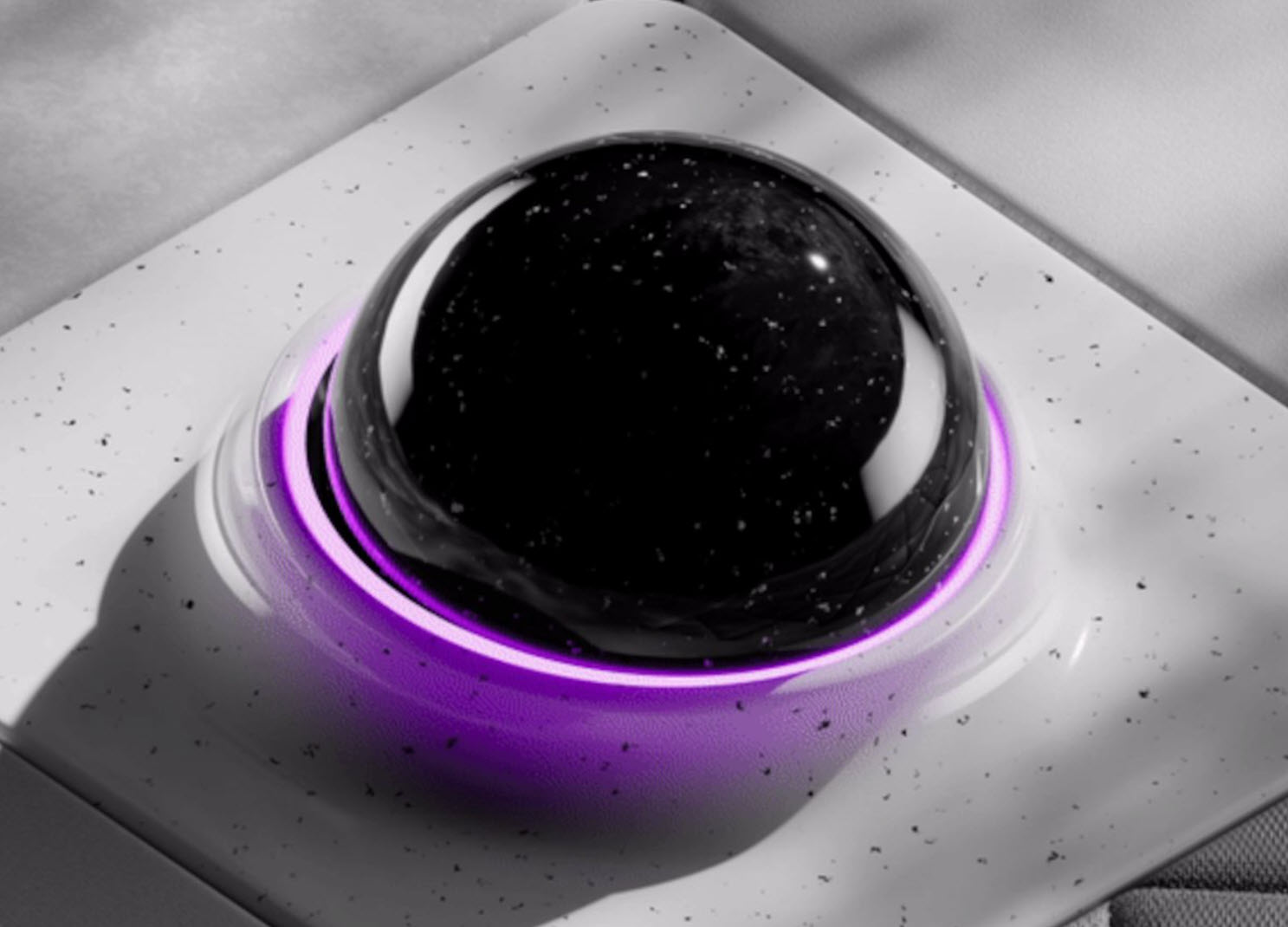
The soft violet LED ring encircling the trackball provides visual feedback for mode changes or activity status — subtle illumination that enhances focus without distraction. The result is a form that blends precision engineering with artisanal tactility, aligning with the broader shift toward “quiet tech” — devices that merge seamlessly with creative environments instead of dominating them.
The design’s proportions are intentionally low-profile, promoting comfort and reducing wrist strain during extended use. The surface gently slopes toward the user, guiding the hand into a relaxed, neutral posture. The trackball’s polished glass dome not only improves motion accuracy but also invites constant tactile interaction, appealing to the human desire for physical feedback in digital work. The surrounding dial features incremental resistance and haptic feedback, offering a mechanical feel that contrasts the smooth glide of the ball and the frictionless touch gestures around it.
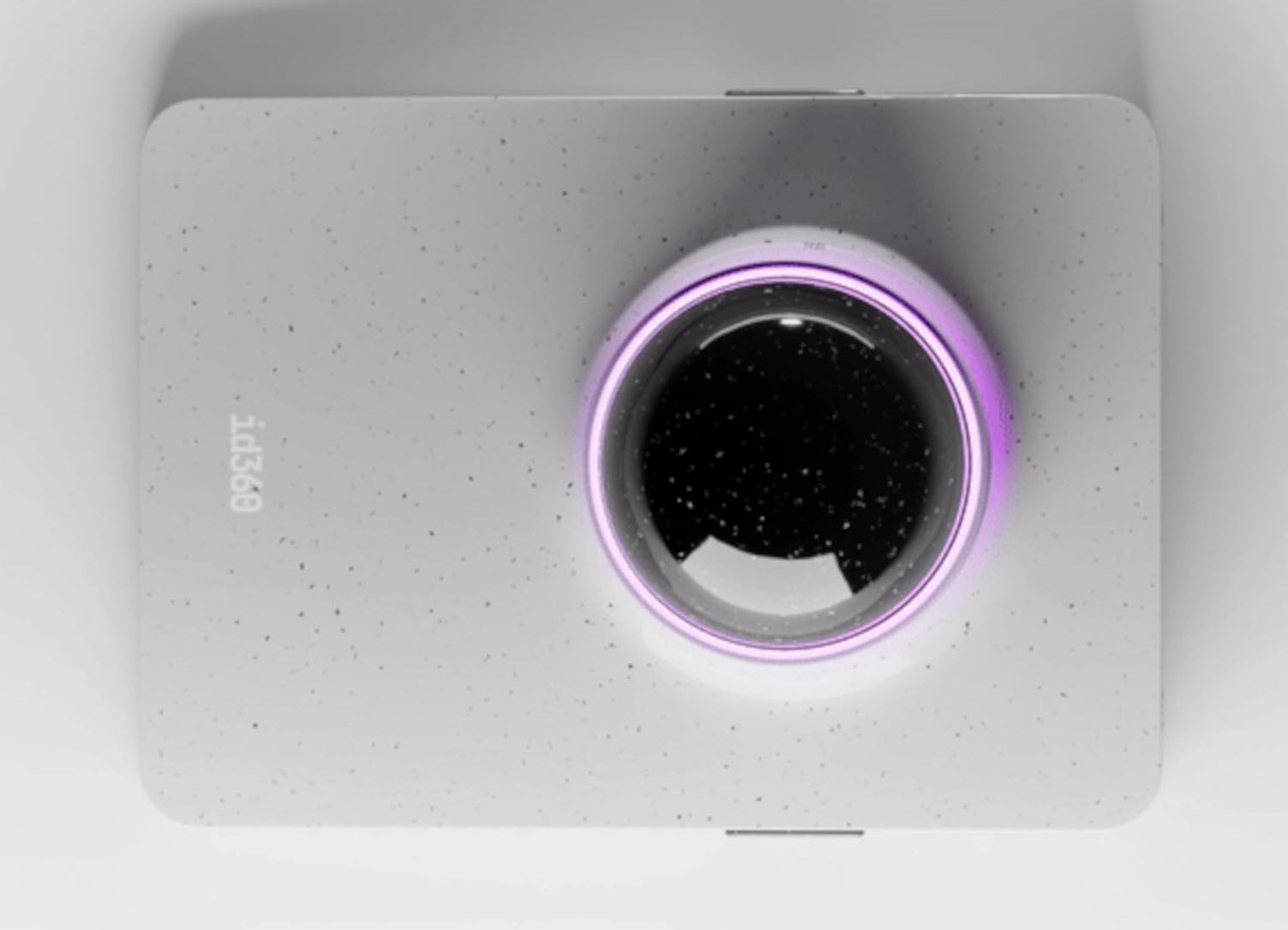
Functionally, the TOUCHSTONE concept supports simultaneous multi-modal input — users could scroll through a video timeline using the ball, fine-tune playback speed with the dial, and adjust clip length or zoom levels using touch gestures. This tri-layered approach enhances efficiency by reducing context-switching between devices, something creative professionals frequently struggle with in complex workflows. It’s a clear nod to the “tool unification” trend — the drive to merge analog control precision with digital flexibility in one cohesive product.
via Yanko Design

Recent comments