
The iPhone 20—yes, two decades of iPhone—might not just mark an anniversary. If the leaks and renders making the rounds are any indication, it’s Apple’s blueprint for the post-smartphone era. Codenamed “Glasswing,” the concept appears to embody Jony Ive’s ultimate vision: a seamless, singular piece of glass, where hardware dissolves and all that remains is experience.
From the images shared, this isn’t just an incremental tweak to the familiar rounded rectangle. The entire device curves fluidly, front and back, with no camera cutouts, no speaker grills, and zero visible bezels. The edges melt into the display itself, creating the illusion of an uninterrupted flow of digital surface. It’s the kind of minimalism that isn’t just aesthetic—it’s ambition manifested in industrial design.
Where past iPhones sculpted glass and metal to house their internals, iPhone 20 appears carved from light. The renders show a front that’s pure screen, with no punch-hole, no notch, and no visible sensors. Side buttons seem embedded directly into the frame, hinting at haptic solid-state controls—a callback to the canceled iPhone 15 Ultra rumors that may finally find their home here.
On the back, the camera layout follows the curve of the chassis, sitting flush in a perfectly contoured pill. The all-black model looks like obsidian; the white variant like porcelain dipped in polish. Each lens appears precision-machined into a glass substrate that reflects light like a liquid surface. No metal rings, no seams. Just glass.
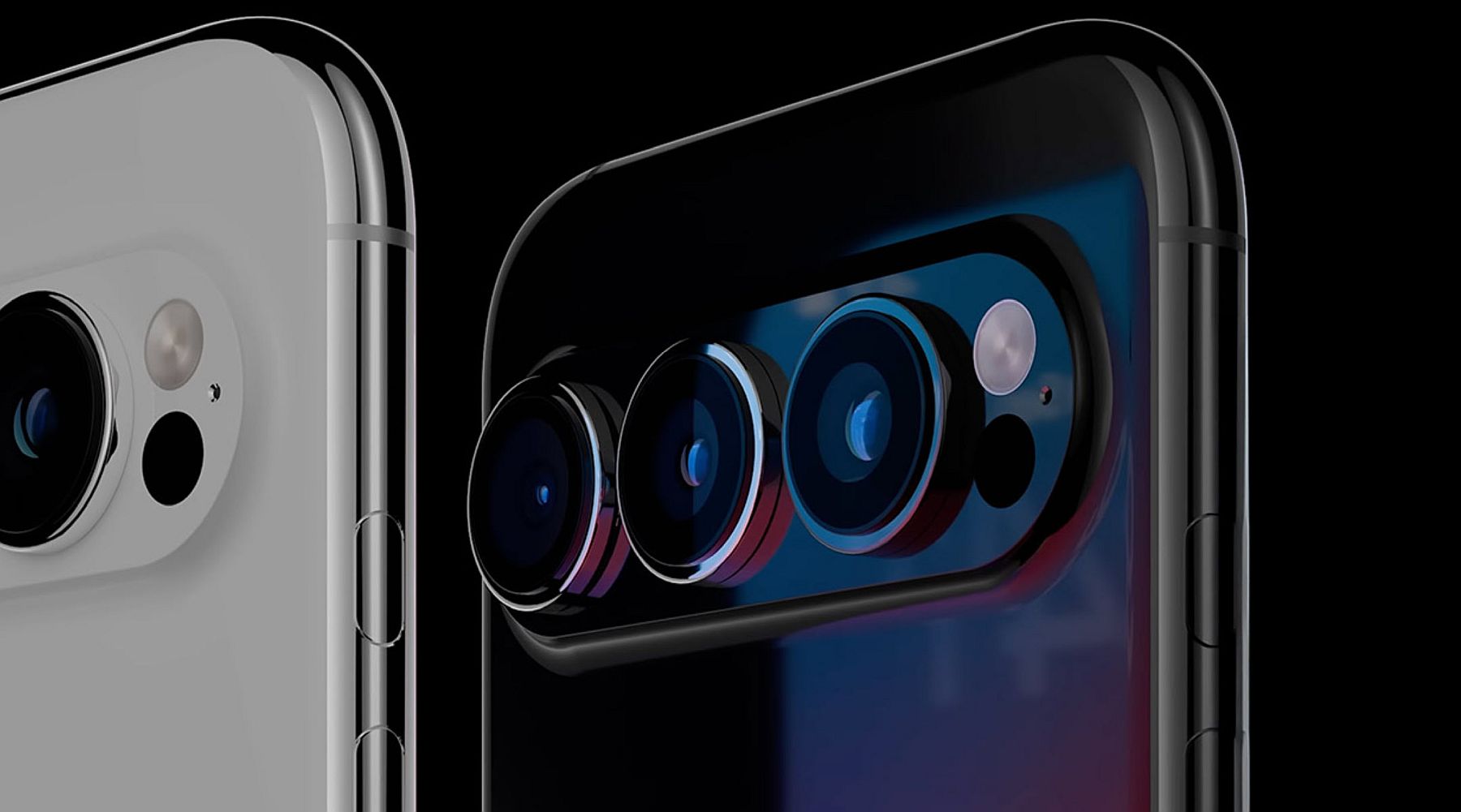
Driving this visual purity is Apple’s most ambitious under-display tech yet. According to Bloomberg, the iPhone 20 will debut fully hidden Face ID and camera sensors, completing the screen’s evolution to a pure pane of information. The goal: nothing visible until it needs to be—a phone that feels dormant until awakened by your gaze or gesture.
Paired with this hardware leap is the design language of iOS 26, previewed at WWDC 2025. Apple’s new “Liquid Glass” UI introduces translucent panes, soft-focus shadows, and gesture-based spatial controls, making the OS feel less like a grid of apps and more like an ambient digital layer over your reality.
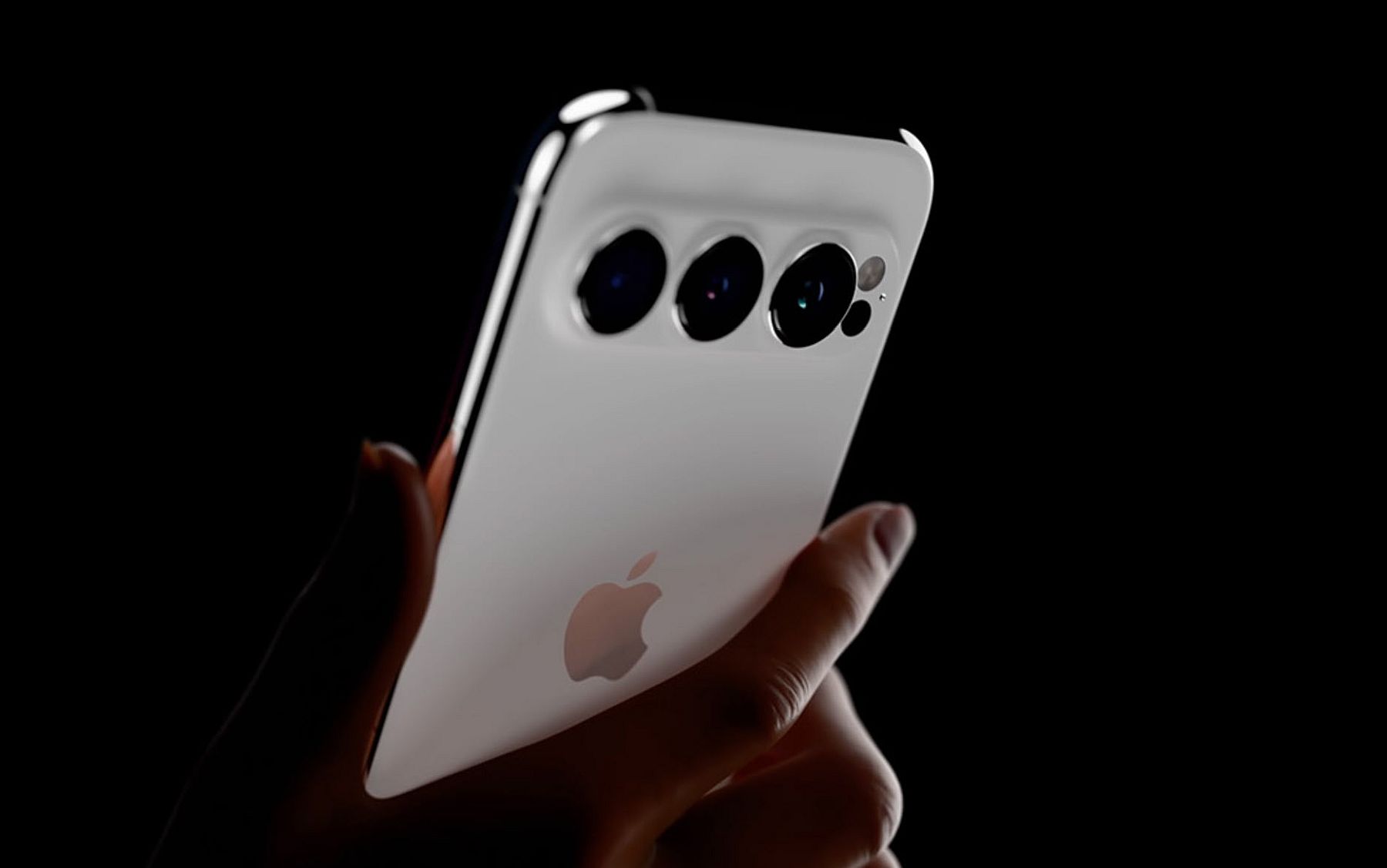
This isn’t just a phone for the eye—it’s one for the hand. The shape appears built to nestle perfectly into a grip, the glass sculpted to mirror the subtle flex of a palm. Despite its radical aesthetic, the industrial design speaks the language of usability. No sharp corners. No odd folds. Just sleek, uninterrupted tactility.
And in a possible twist, leaks hint that Apple could also launch a foldable sibling to this device, for those craving versatility over minimalism. But the iPhone 20—as it stands in concept form—is something different. Not flexible. Not modular. Just… distilled.

There’s also talk of Apple playing with the name. Will it be “iPhone 20”? “iPhone XX”? Or will Apple pull another “X” move and jump off the numeric track entirely? Whatever it’s called, the message is clear: this is less about a phone and more about a statement. A reset. A sculpture. A celebration of 20 years of shaping how we see—and touch—the world.
If the iPhone X marked the moment Apple let go of the home button, the iPhone 20 looks like the moment it lets go of the phone altogether. What’s left isn’t just a device. It’s an object. One that reflects not just your face, but the next phase of Apple’s design legacy.
via notebookcheck/ techeblog

Recent comments