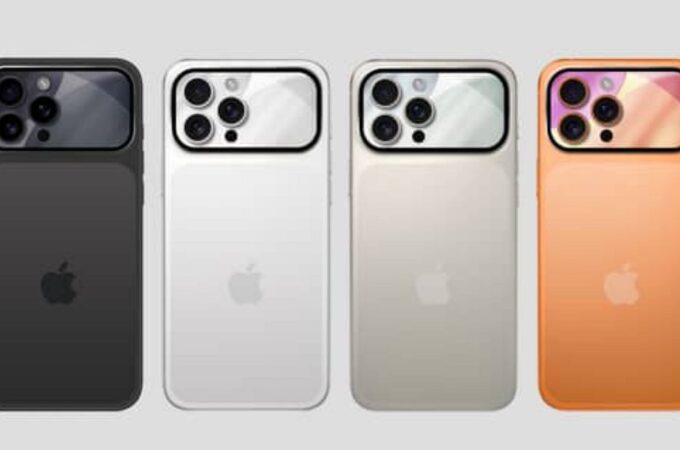
Apple’s iPhone design language has evolved slowly but consistently over the past decade, with the camera bump becoming one of its most recognizable features. For the iPhone 18 Pro, new concept renders imagine Apple finally giving that hump a new role: transforming it into a functional secondary display.
Traditionally, the iPhone’s rear cameras have lived inside a glossy, elevated island – a design that has grown in size and prominence with each generation. The iPhone 17 Pro imaginary renders suggest a radical rethink: instead of treating this island as static hardware, Apple could turn it into an interactive panel that blends seamlessly around the lenses.
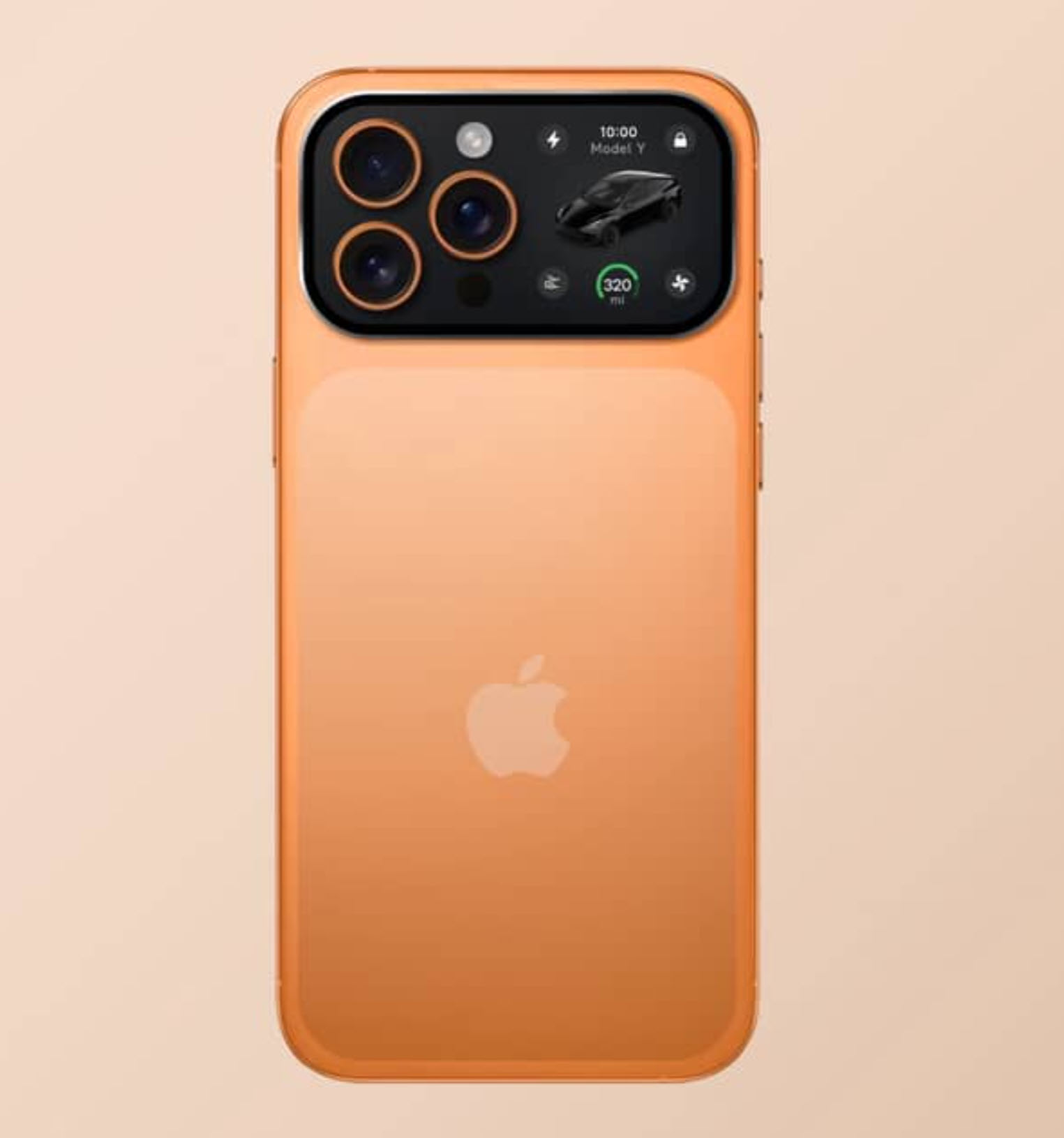
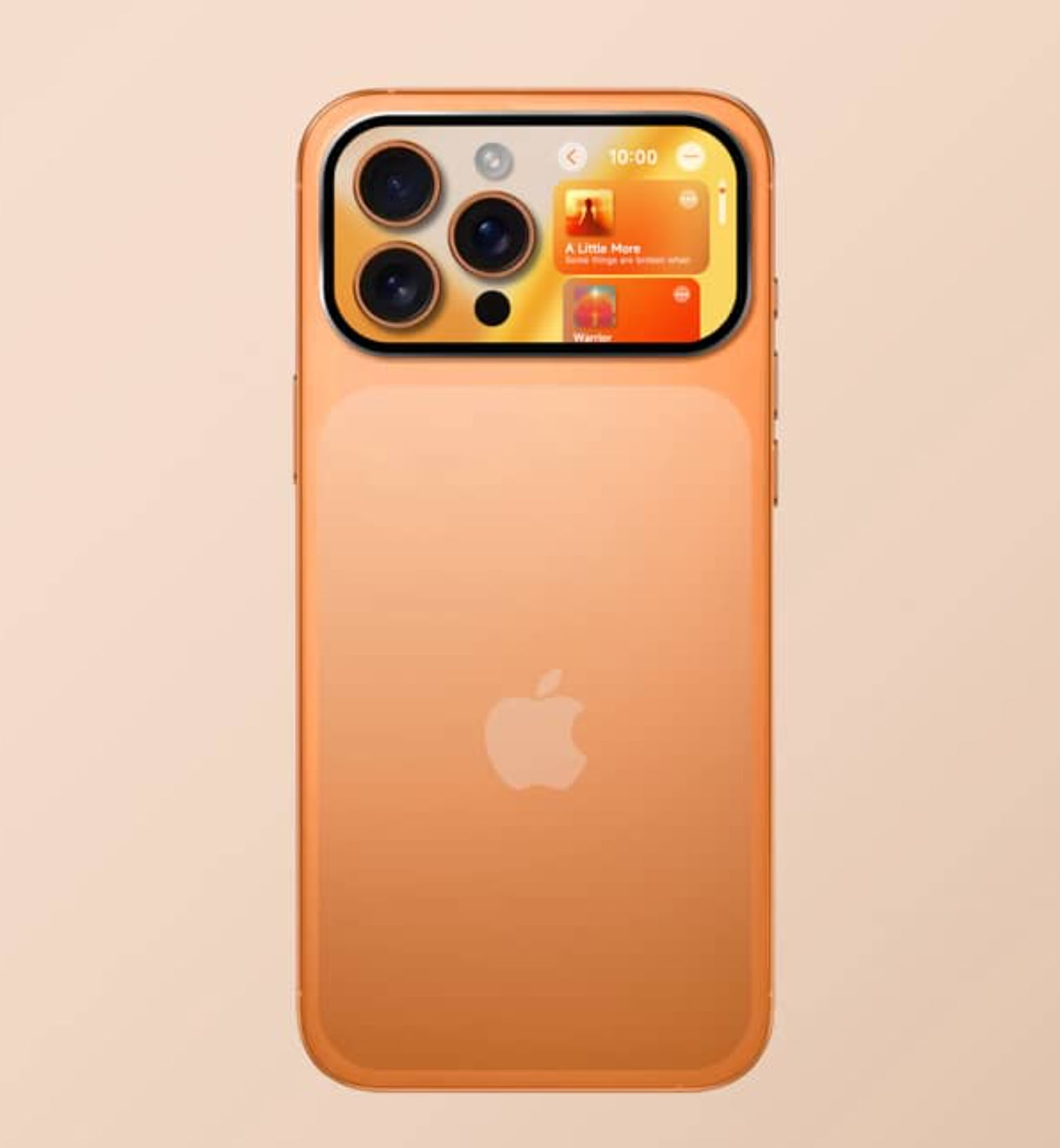
The concept shows a small, high-resolution display hugging the three cameras and flash. Its potential uses range from quick-glance notifications to music controls, or even live widgets such as car battery status or fitness tracking. In effect, the camera hump stops being a protrusion to tolerate and becomes a space of interaction.
One of the most obvious benefits is in photography. A rear display could allow for high-quality selfies using the main camera array—something Android clamshell foldables like the Motorola Razr 2025 already lean into. Apple could refine this by integrating the display tightly with iOS 26, ensuring continuity with the Dynamic Island on the front.
When idle, the renders suggest the screen could act as a personalization layer, showing wallpapers that match the device’s body color (black, silver, champagne, or the rumored orange). It’s not just functional—it’s ornamental industrial design, extending Apple’s philosophy of hardware-software harmony.
Challenges and Exceptions
Of course, a rear display introduces trade-offs. It adds complexity, weight, and power consumption to a device Apple is known for optimizing. It also raises questions about durability—rear-facing screens on smartphones have historically been vulnerable to scratches and accidental touches.
Interestingly, leaks suggest that not every iPhone 17 will benefit. The vanilla iPhone 17 is tipped to retain a more conventional vertical camera pill, leaving this dual-display experiment to the Pro and Pro Max tiers. That could be disappointing for users hoping for a democratization of Apple’s design innovation.
Apple in Context
Apple would not be the first to attempt this. Companies like Xiaomi and Vivo have experimented with rear displays, while Motorola has normalized them on entry-level foldables. What sets Apple apart, if these renders ever become reality, is the potential for ecosystem-level integration. A rear display on the iPhone would not exist in isolation, but as part of a broader iOS and accessory experience—from Apple Watch handoffs to AirPods controls.
A Glimpse of the Future
Whether this redesign appears in the iPhone 17 Pro sequel or gets pushed to the iPhone 19 lineup, the concept itself highlights a shift in Apple’s industrial design thinking. Instead of fighting the presence of an oversized camera hump, Apple may embrace it, transforming it into usable real estate.
via Evan Blass/ Notebookcheck

Recent comments