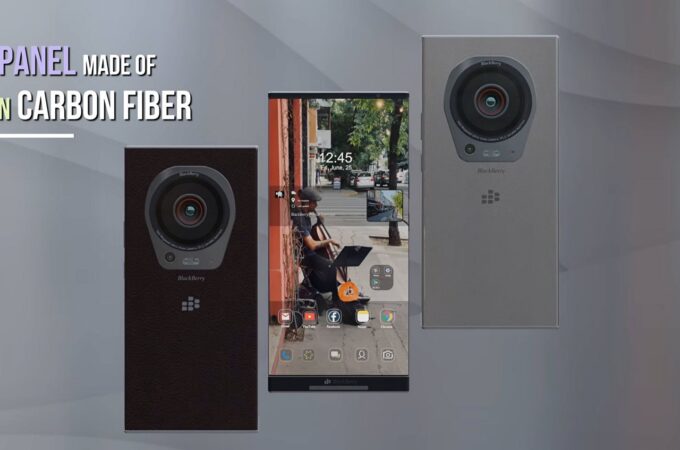
There are concept phones that reinterpret a brand’s DNA for a new era. Then there are concepts like this “BlackBerry Fusion,” which feels less like a thoughtful revival and more like a visual identity crisis wrapped in carbon fiber textures and oversized camera hardware. It wears the BlackBerry logo, but absolutely none of the philosophy that once made BlackBerry devices iconic.
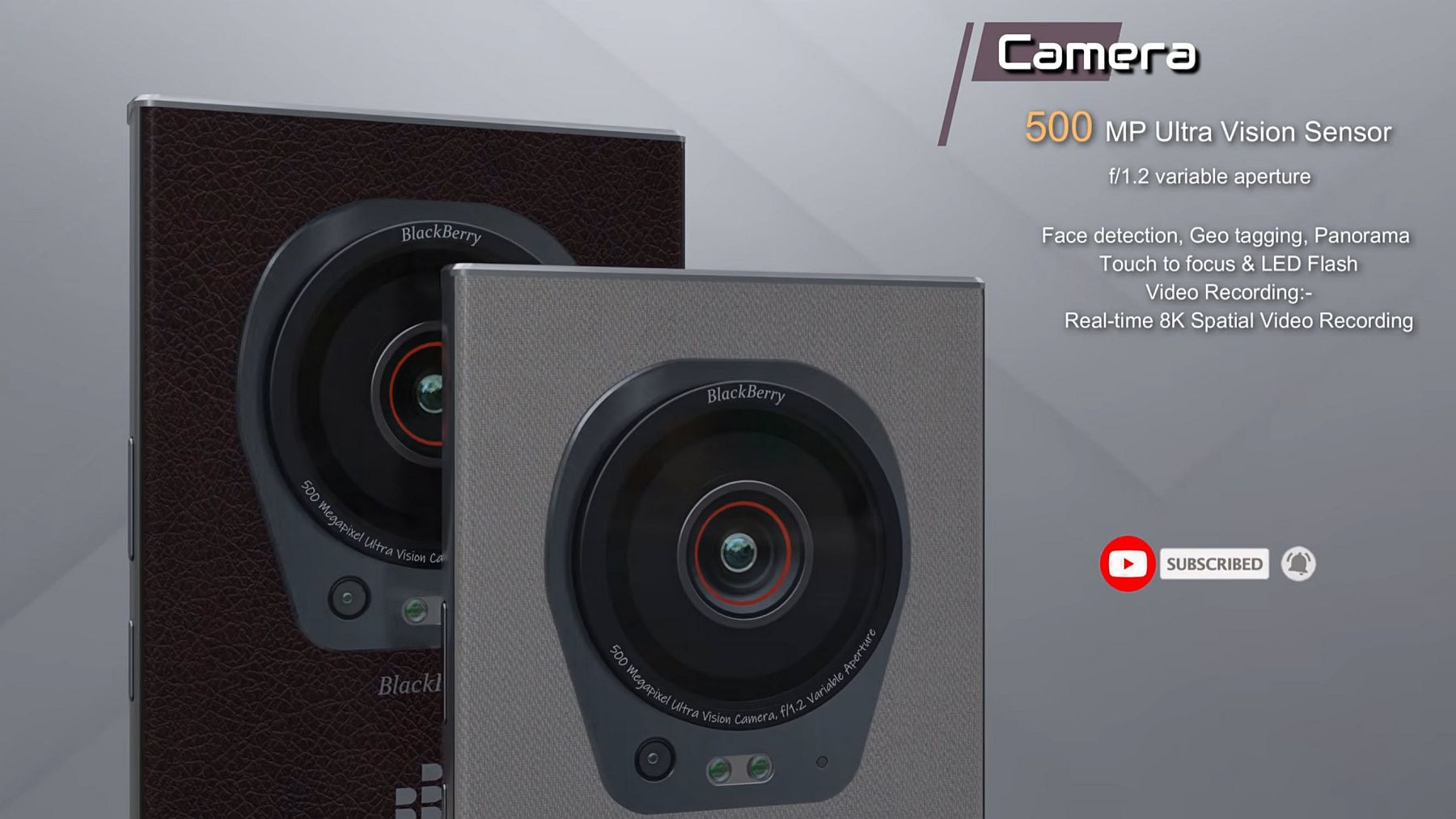
The first thing dominating the design is that enormous circular camera module, a slab-sized optical tumor glued onto the back of an otherwise ultra-minimal device. It doesn’t look elegant or purposeful. It looks desperate. Modern smartphone design has become addicted to giant camera islands as symbols of “premium,” and this concept falls headfirst into the same trap. The irony is that BlackBerry was historically the exact opposite of this mentality. Its phones were understated, disciplined, almost utilitarian. This thing looks like it was designed by a marketing department trying to win a YouTube thumbnail war.
The front is equally confused. The curved waterfall display, razor-thin bezels and ultra-flat silhouette make it resemble every generic luxury Android concept from the last five years. Remove the logo and nobody on Earth would identify this as a BlackBerry. There is no tactile identity here, no physical interaction philosophy, no visual restraint. Just another sterile glass monolith pretending that minimalism automatically equals sophistication.
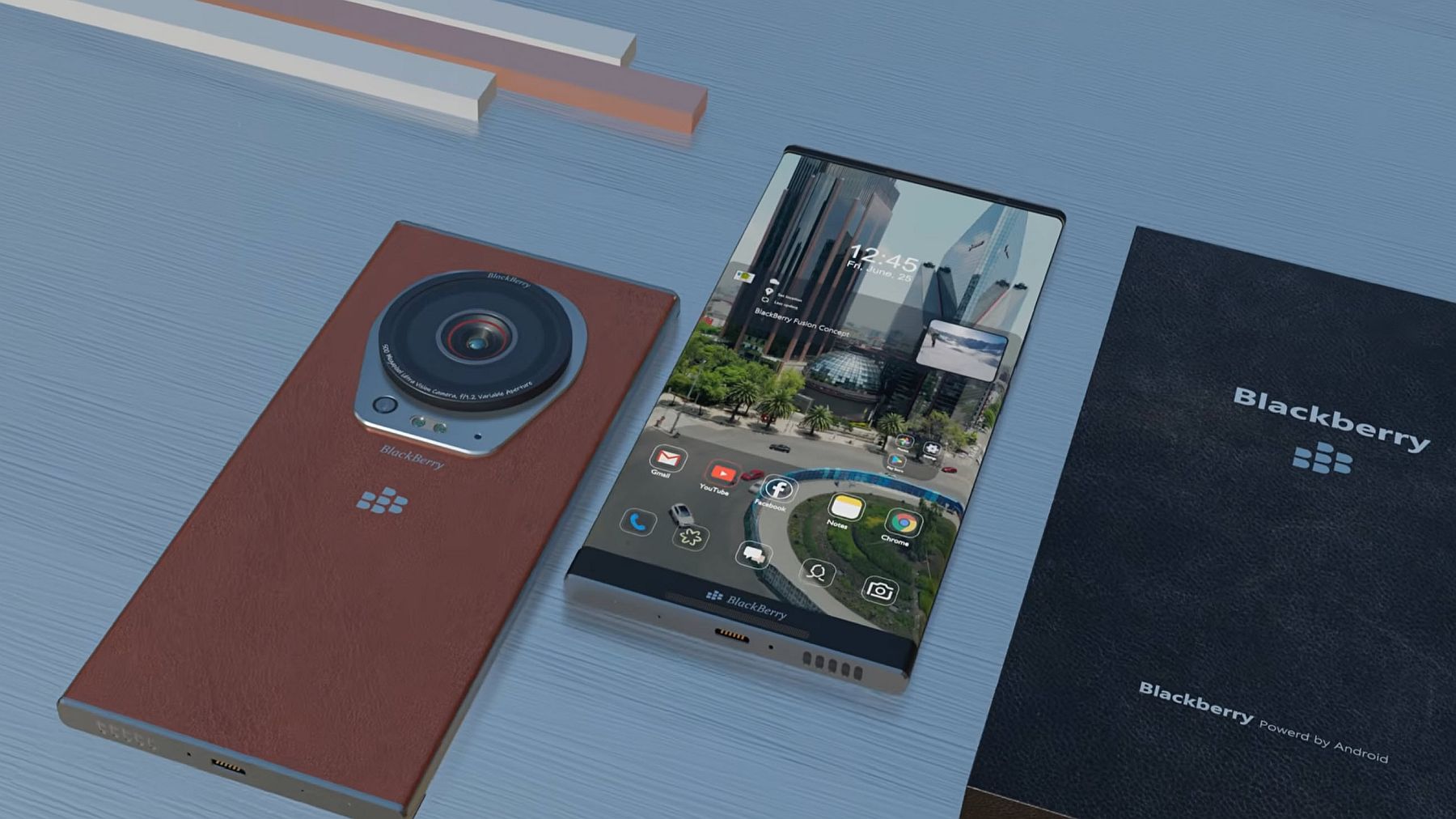
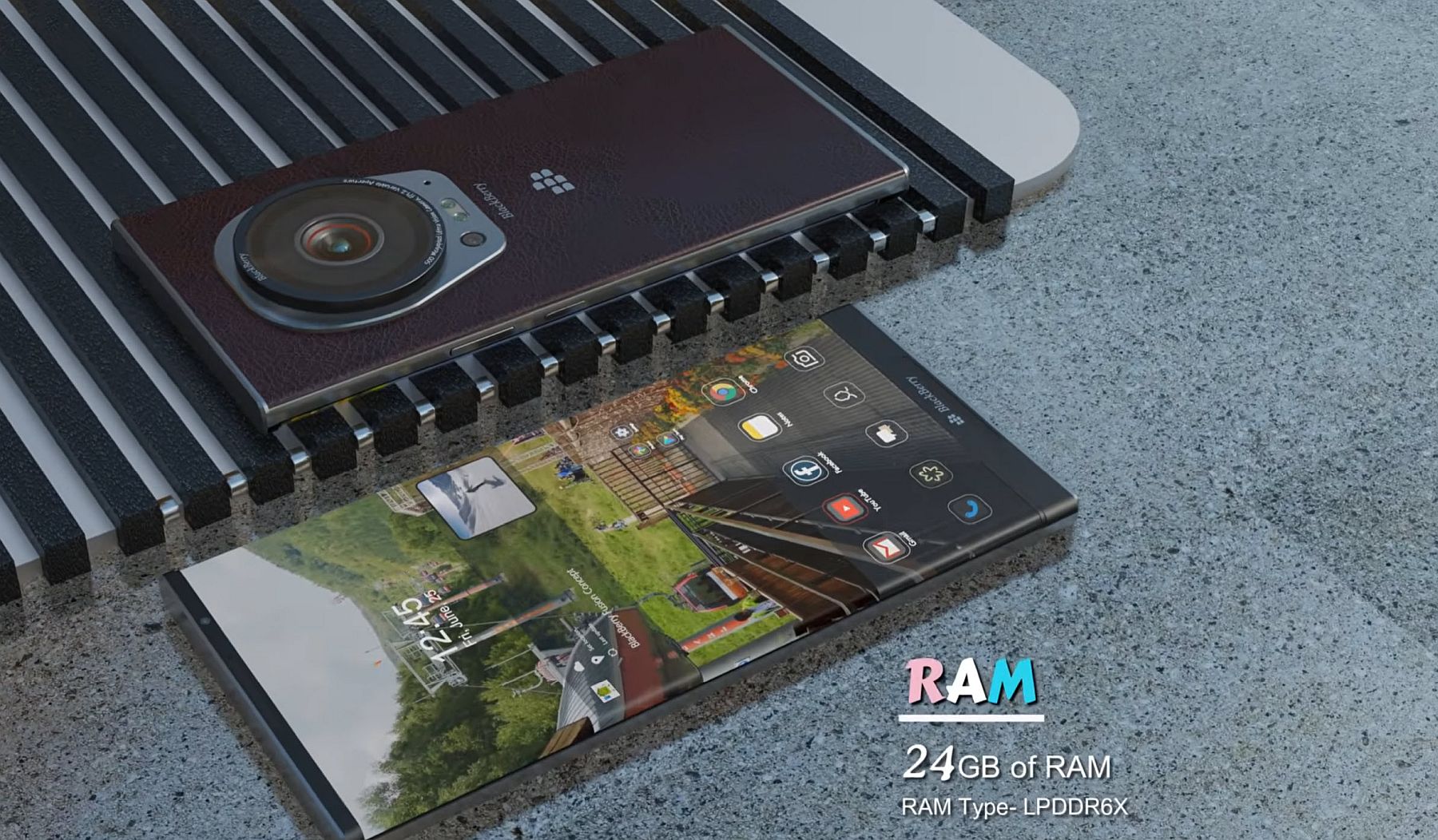
Then there’s the fake-specification fantasy layer plastered across the renders: “500 MP Ultra Vision Sensor,” “24 GB LPDDR6X RAM,” “8K Spatial Video Recording.” It reads like someone opened a spreadsheet of trending tech buzzwords and checked every box. BlackBerry was never about spec-sheet flexing. It was about experience, security, communication and efficiency. A real modern BlackBerry comeback would probably prioritize battery life, productivity software, privacy tools and a phenomenal keyboard. This concept instead turns the brand into a luxury camera prop.
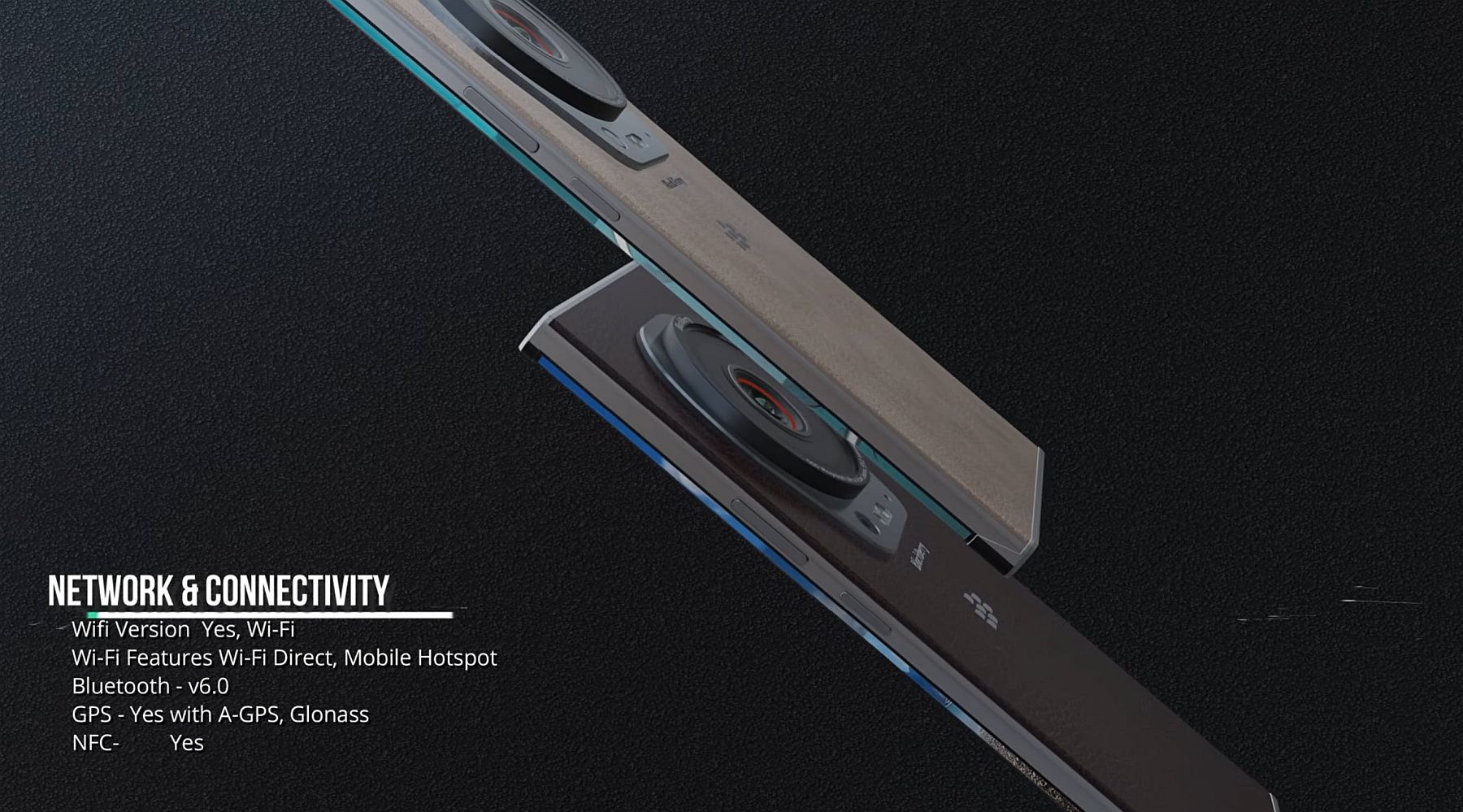
The material choices somehow make things even stranger. One version uses brown leather textures that feel halfway between a retro Leica accessory and an expensive cigar case, while another pushes cold aviation-style carbon fiber aesthetics. Neither version commits to a coherent industrial design language. The device looks simultaneously corporate, futuristic, retro and AI-generated. It has no singular personality beyond “expensive object.”
And that’s the core problem here: this concept misunderstands nostalgia entirely. Nostalgia is not copying visual trends and applying an old logo on top. BlackBerry mattered because it rejected trends. It had confidence in being different. Physical keyboards. Practical ergonomics. Sharp industrial silhouettes. Functional design over spectacle.
This concept abandons all of that in favor of oversized optics, edge displays and exaggerated luxury aesthetics. It doesn’t look like the future of BlackBerry. It looks like the exact type of identity dilution that killed so many legacy tech brands in the first place.
The saddest part is that people would probably share these renders online saying “BlackBerry should come back like this.” But if BlackBerry ever returned looking like this, it wouldn’t really be BlackBerry anymore.
via PEACOCK

Recent comments