
The Honor 500 series arrives at a moment when smartphone hardware is flattening into a shared design vocabulary: pastel palettes, soft flat edges, oversized dual-lens “eyes,” and minimalist rear modules. What once felt distinctly Apple — the iPhone Air’s horizontal camera bar with two pronounced circular lenses — has become a format that other manufacturers are now openly iterating on. The Honor 500 stands boldly in this new aesthetic current, not hiding its kinship with Apple’s Air line, Nubia’s Air-inspired devices, or the growing family of “horizontal-bar phones” now appearing across China’s mid-premium market.
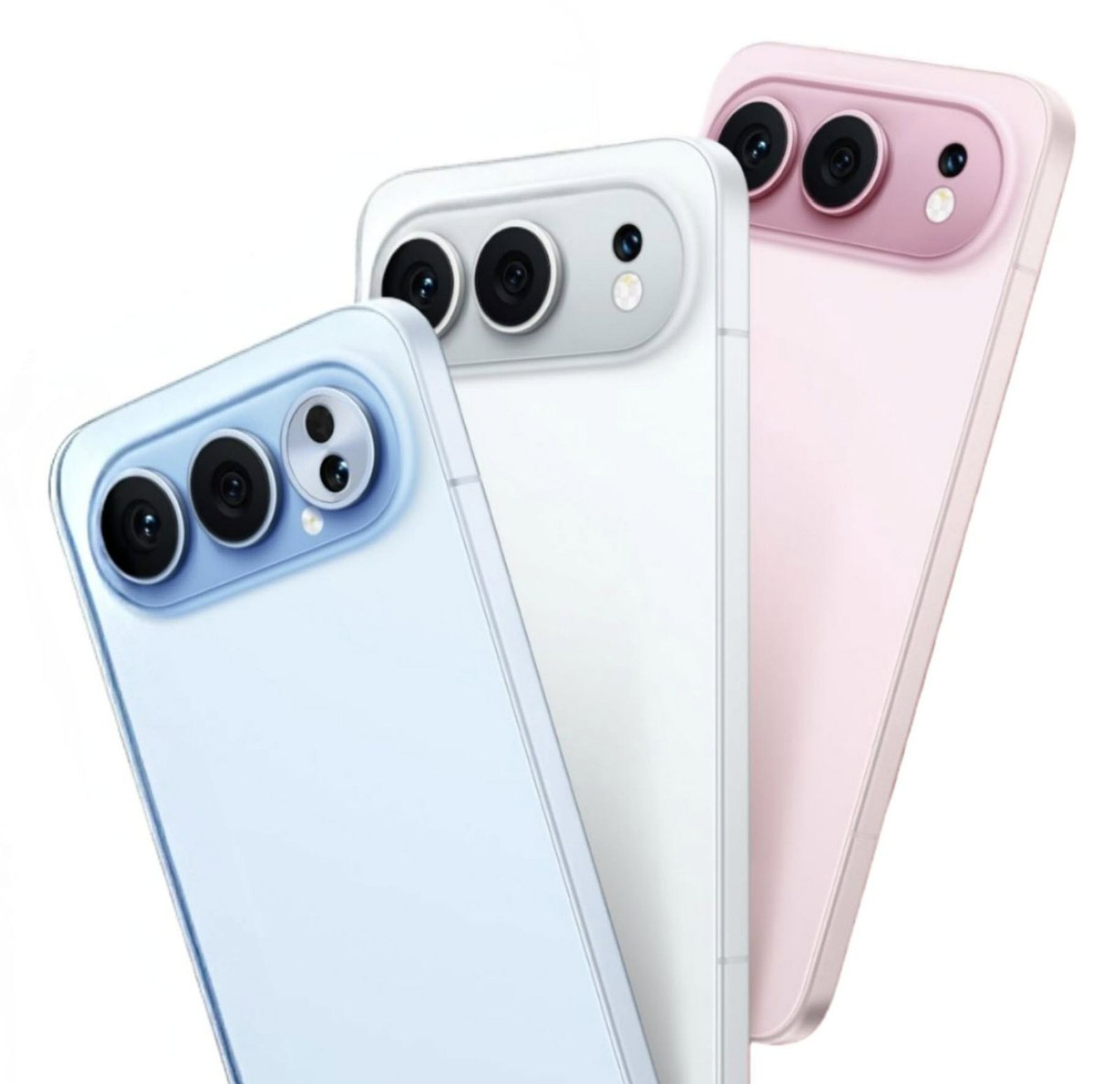
Looking closely at these leaked Honor 500 images, you immediately see where the brand has chosen to diverge and where it has decided to echo trends. The rear camera bar is an elongated plateau that rises gently from the unibody shell, almost like a soft extrusion. The polished lens rings sit proud of the surface, adding dimensionality without breaking the device’s planar elegance. Honor’s choice to cold-carve the back into a single flowing slab gives the phones a calmer, less mechanical look than the iPhone Air, which uses sharper chamfers and tighter tolerances to signal precision. Honor instead opts for a slightly more organic curvature at the corners — a reminder that its identity still leans toward softness, not strict minimalism.
Compared to the Nubia Air, which pushes the thin-and-featherweight narrative aggressively, Honor’s 500 design feels more substantial and less experimental. Nubia’s version is all about elimination: thinner bezels, more aggressive weight trimming, and a lens layout that seems engineered for visual shock value. Honor’s approach is more conservative. Its horizontal camera bar is wider, more symmetrical, and visually anchored to the frame, almost like an integrated visor rather than a floating element. Where Nubia plays the futurist, Honor chooses refinement.
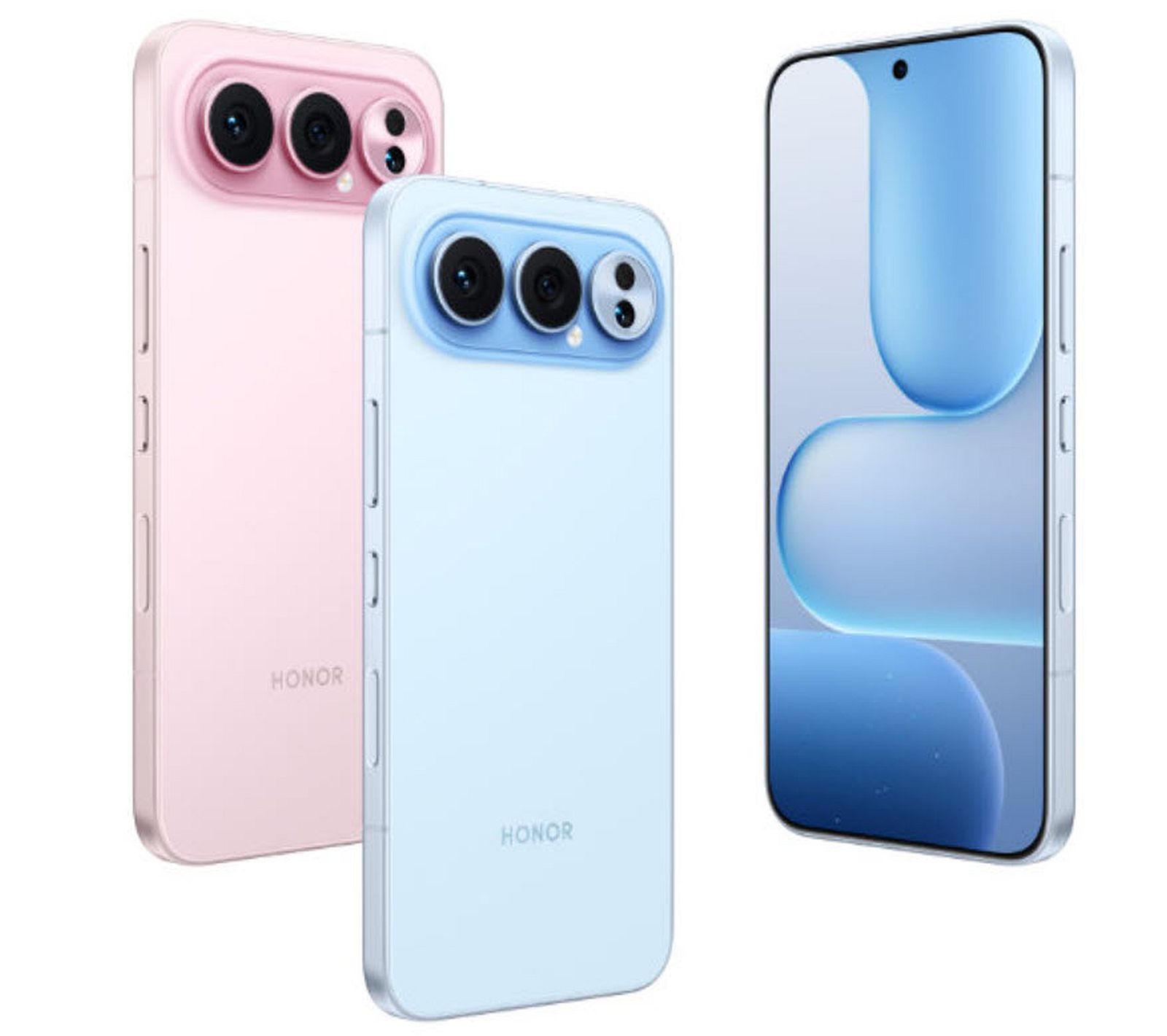
Placed side by side with the iPhone Air, the lineage is undeniable — the layout of the lenses, the horizontal bar, the pastel finishes, the soft geometry. Yet the differences matter. Apple’s Air module tends to sit flatter and uses tighter circles that pull attention inward. Honor exaggerates the protrusions slightly, giving each lens more presence and helping differentiate the triple-camera Pro variant from the simpler dual-camera model. Honor’s deliberate use of color on the camera plateau — matching the body instead of contrasting it — makes the phones feel more emotionally expressive, less “tool,” more “object.”
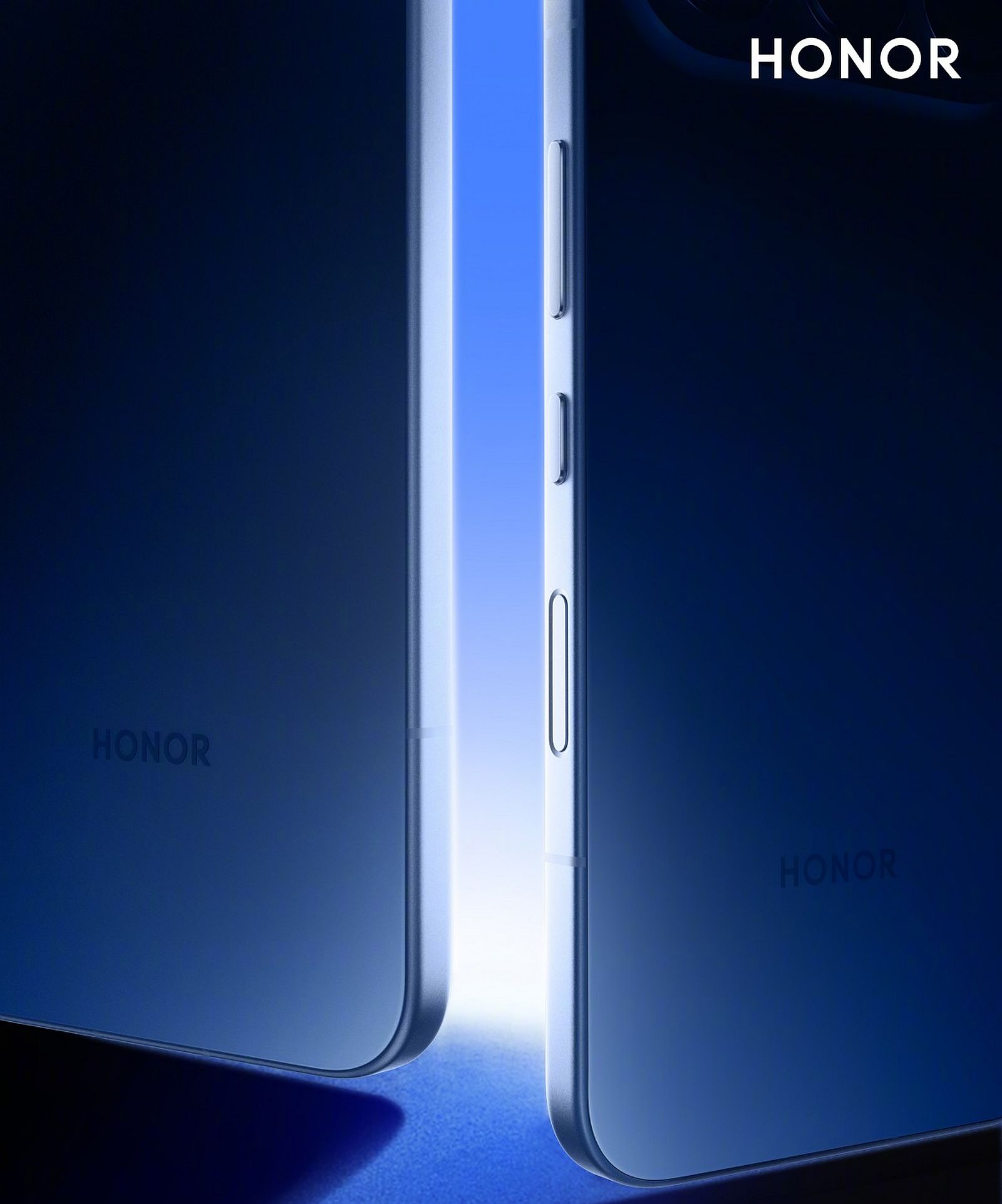
The introduction of a dedicated camera shutter button on the Honor 500 Pro may be the most significant design decision. Not because it radically changes the look, but because it signals intent: Honor wants to make photography not just a spec-sheet battle but a tactile experience. This aligns the phone more closely with classic compact cameras than with Apple’s ultra-minimal, function-hiding philosophy. It’s a small touch with an outsized design implication.
The color choices — icy blue, shell pink, ceramic white — also reveal where Honor positions this device in the market. These are not aggressive, masculine tones or heavy metallic finishes. Honor avoids industrial severity in favor of lifestyle calmness, making the 500 series feel more at home in fashion stores than in tech showcases.
As the clones and inspirations multiply, the question becomes: is this an era of convergence or homogenization? In the Honor 500, the answer leans toward convergence. The device doesn’t break new ground in silhouette, but it does refine and soften the Air aesthetic into something more approachable and friendly. It’s less about radical identity and more about evolving within a shared design dialogue.
via fonearena

Recent comments