
When Nothing debuted the Phone (1), it entered the smartphone arena with a clear mission: to stand out in a sea of near-identical slabs. Its transparent back, exposed components, and Glyph lighting interface created an instantly recognizable visual identity. The Phone (2) refined that concept with more premium materials, a faster chipset, and a subtly improved lighting system, while the Phone (3) continued the brand’s evolutionary path. Yet across all three models, the design language has remained rooted in flat edges, strict symmetry, and a modular-like internal layout.
The Nothing Phone X Arc concept — imagined by designer Jesús Selvera — proposes a bold departure from that template. It “bends” the rules, literally, with a sculpted, arched silhouette designed to improve both ergonomics and aesthetic depth.
Sculptural Form Meets Reimagined Transparency
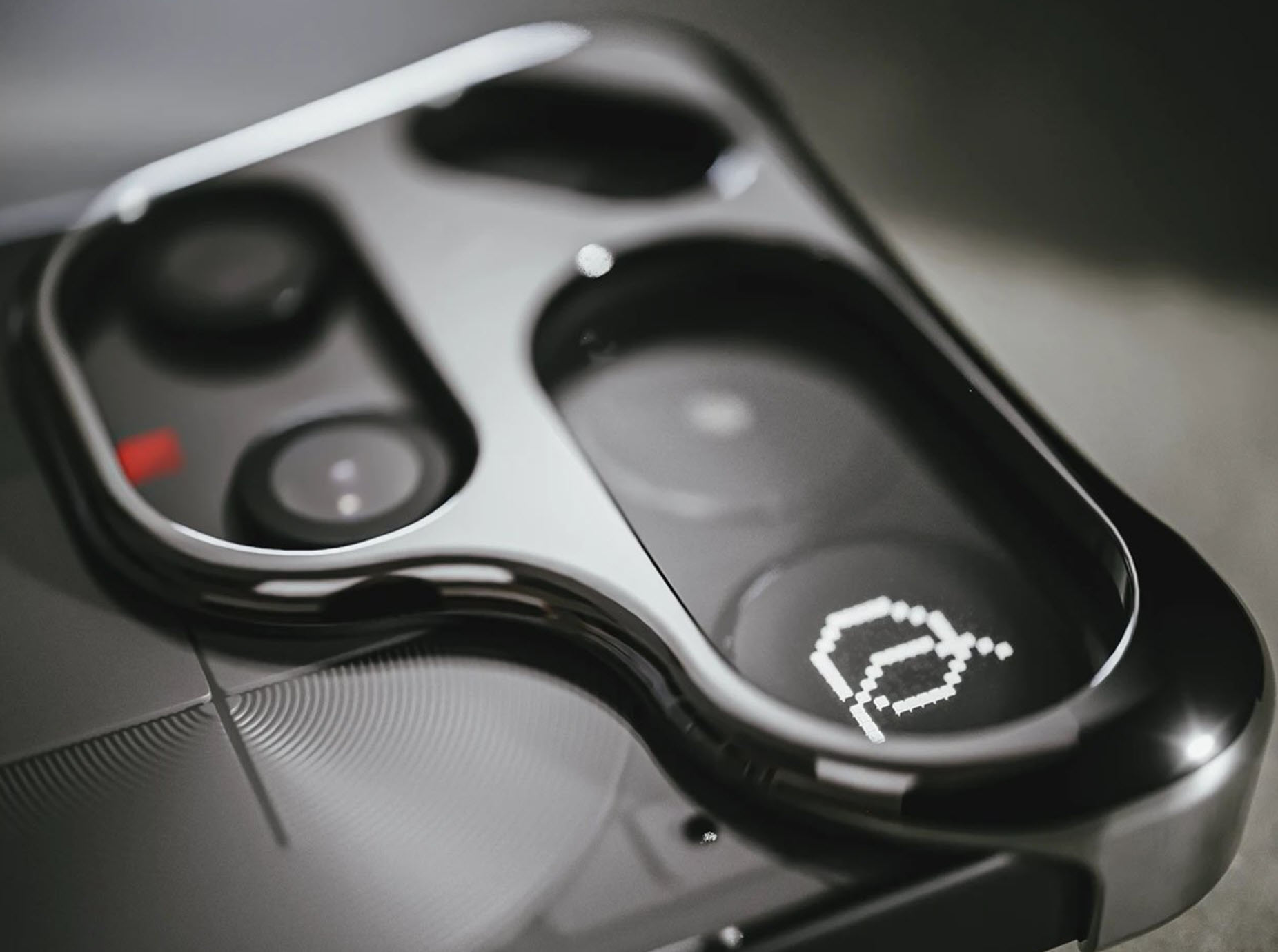
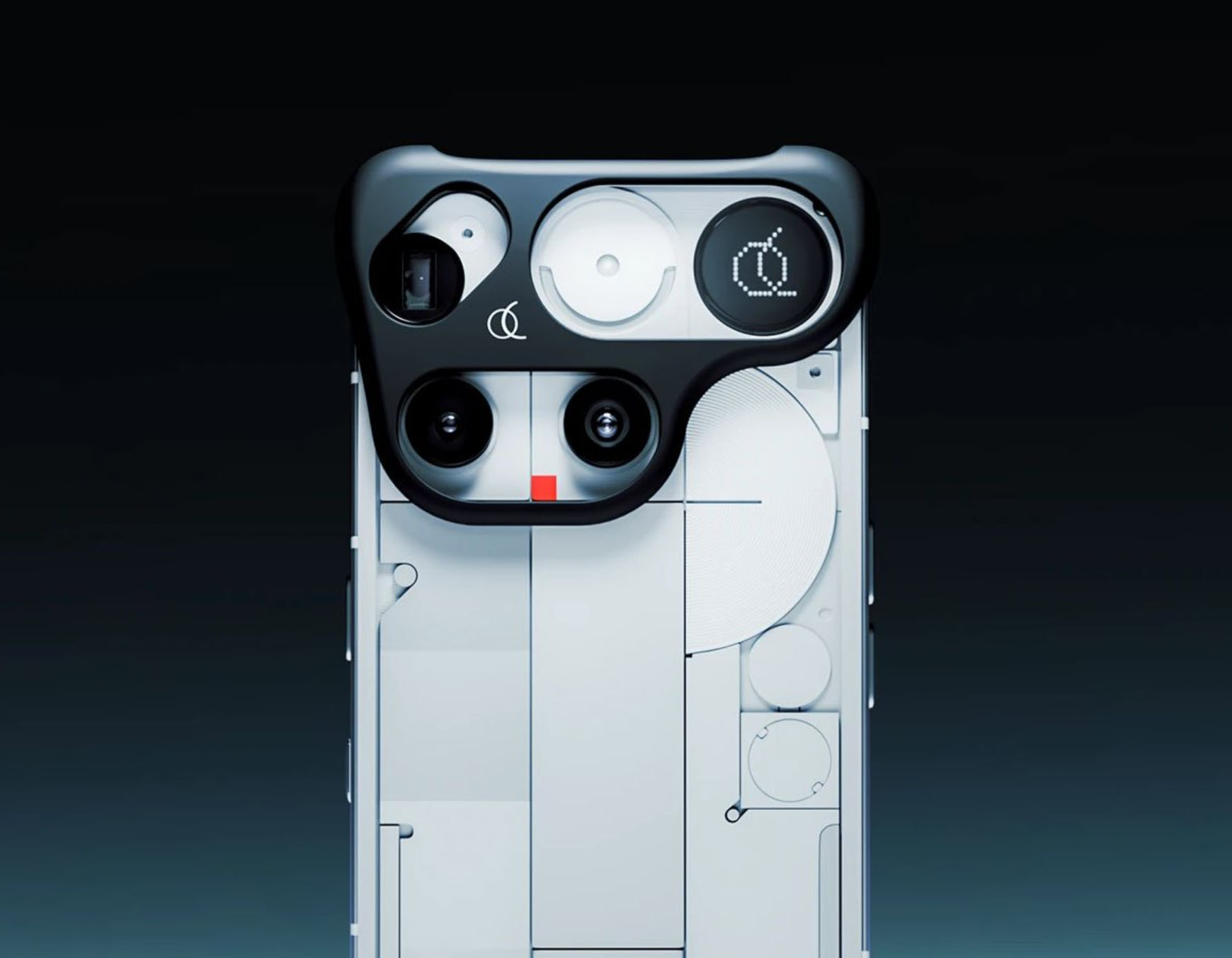
Instead of the traditional flat, rectangular profile, the Arc’s body curves to fit more naturally in the hand. This change would not only enhance comfort but also create dynamic interactions between light, shadow, and the device’s transparent layers. Rather than simply revealing circuitry, the internals would appear as part of an integrated art piece, where structural elements and lighting play together in fluid, three-dimensional ways.
The Glyph interface, central to Nothing’s identity, could also benefit from this curvature. Light strips might follow the phone’s arc, creating patterns that feel more organic and immersive. The result would be a lighting system that’s less of an overlay and more of an active, physical part of the phone’s design language.
Materials, Structure, and Potential Hardware Gains
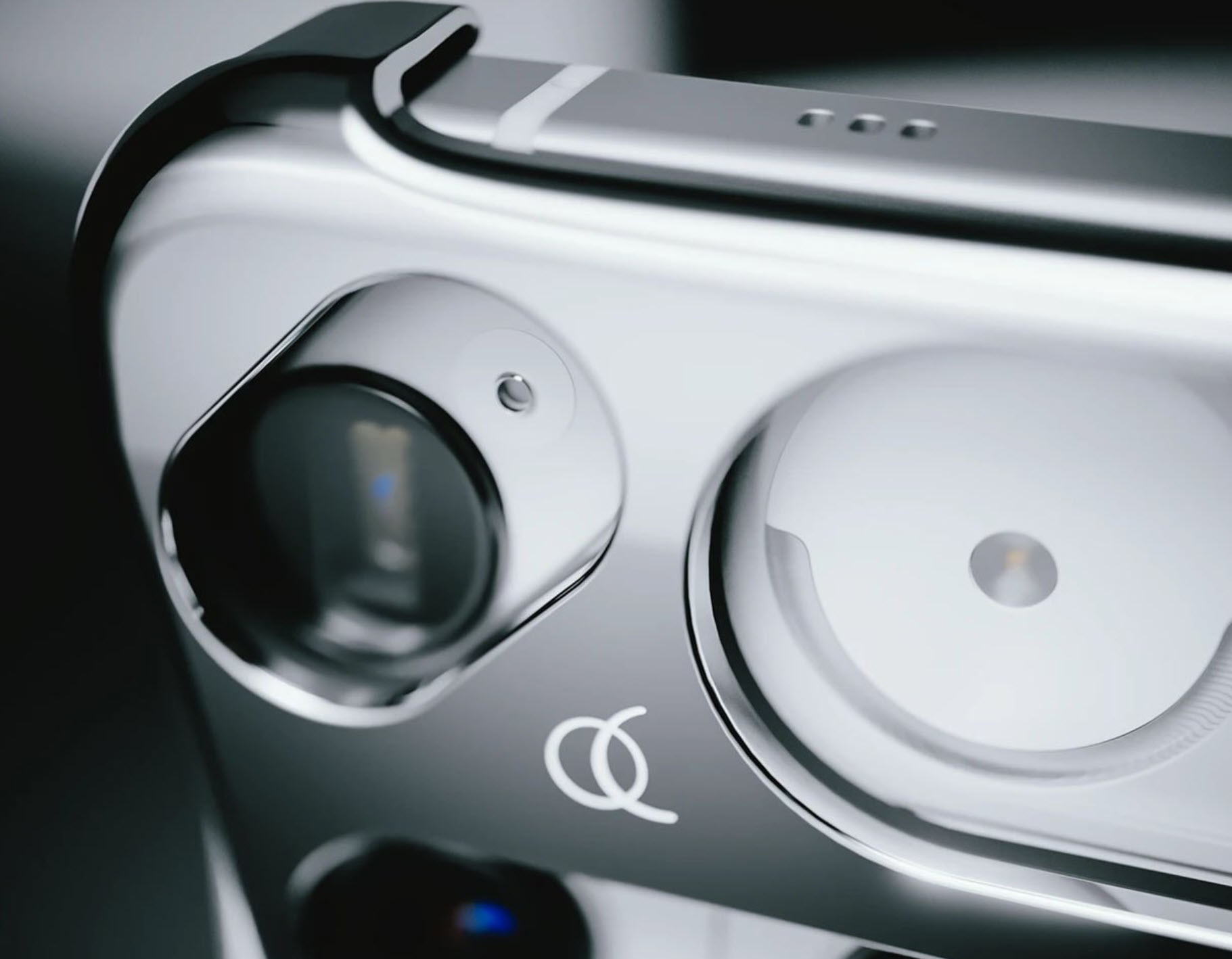
An Arc-style device would likely keep the minimalism Nothing is known for, but with a push toward more advanced materials. Strengthened curved glass paired with a custom aluminum frame could maintain rigidity without adding unnecessary weight. The more contoured shape might even allow for a larger battery to be integrated without making the phone noticeably thicker — a clear improvement over some earlier models’ trade-offs between design and battery life.
Additionally, a redesigned internal structure could accommodate better heat dissipation, with thermal elements embedded beneath the transparent layers. This would allow sustained high performance without the overheating concerns that can accompany thinner, high-powered devices.
Software and Interaction Possibilities
On the software side, Nothing OS has been steadily moving toward a distraction-free, visually consistent Android experience. An Arc variant could take advantage of its unique form factor with context-aware lighting animations that respond to music, notifications, or ambient cues. The curved body might also inspire new gesture controls — swipes and taps along the arc that trigger specific actions or AI-driven shortcuts.
Integration with AI could deepen in this imagined model, enabling adaptive battery management, predictive app launching, and personalized light sequences based on user habits. The interplay between physical design and digital feedback could become a defining feature, making the device feel more alive and responsive.
A Statement of Evolution
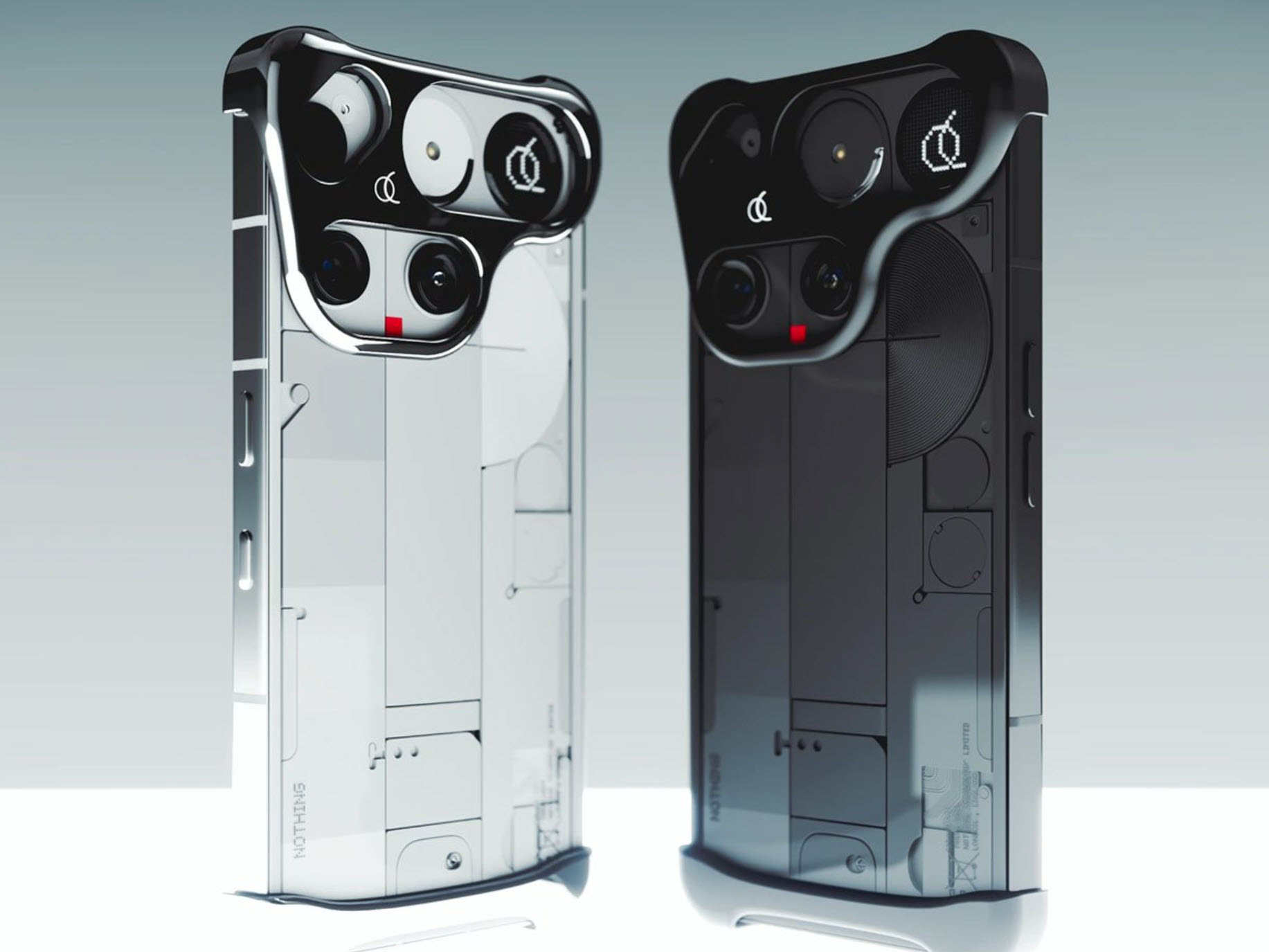
Compared to the brand’s existing lineup — defined by flat geometry and orderly component layouts — the Arc feels more organic, almost sculpted from a single flowing form. It would signal a willingness to move beyond the native Nothing template, while keeping the transparency and bold lighting that made the company stand out in the first place.
If brought to life, the Nothing Phone X Arc could represent the start of a new design chapter where transparency isn’t just a novelty, but a medium for blending form, light, and technology into an experience that invites curiosity at every glance.
via Yanko Design

Recent comments