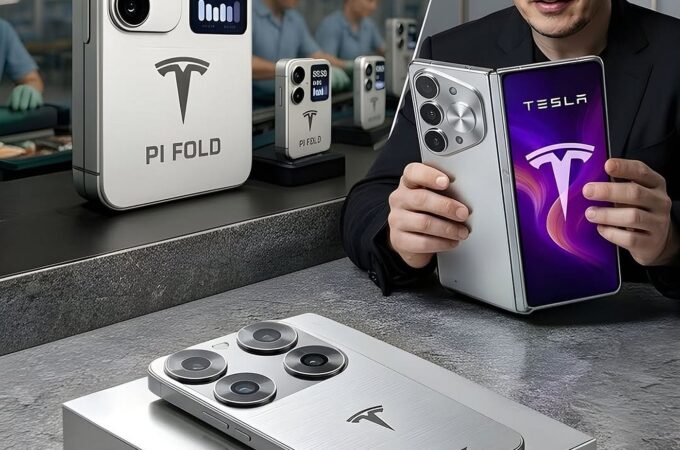
These AI-generated “Tesla Phone” renders are pure tech fantasy bait — the kind of content engineered to farm clicks from people who believe Elon Musk can wake up one morning and casually destroy Apple. But the images reveal far more about how generative AI works than how real industrial design works.
First, the designs themselves are a visual identity crisis. Every render is basically an iPhone Pro blended with random elements from Samsung foldables, Nothing Phone aesthetics, and generic gaming phones from 2021. The first image has a camera module so oversized and awkward it looks like AI interpreted “premium smartphone” as “add more circles.” The foldable render is even worse: impossible hinge geometry, nonsensical proportions, and zero understanding of structural engineering. It feels less like a product concept and more like an algorithm vomiting out every “future phone leak” thumbnail it has ever consumed.
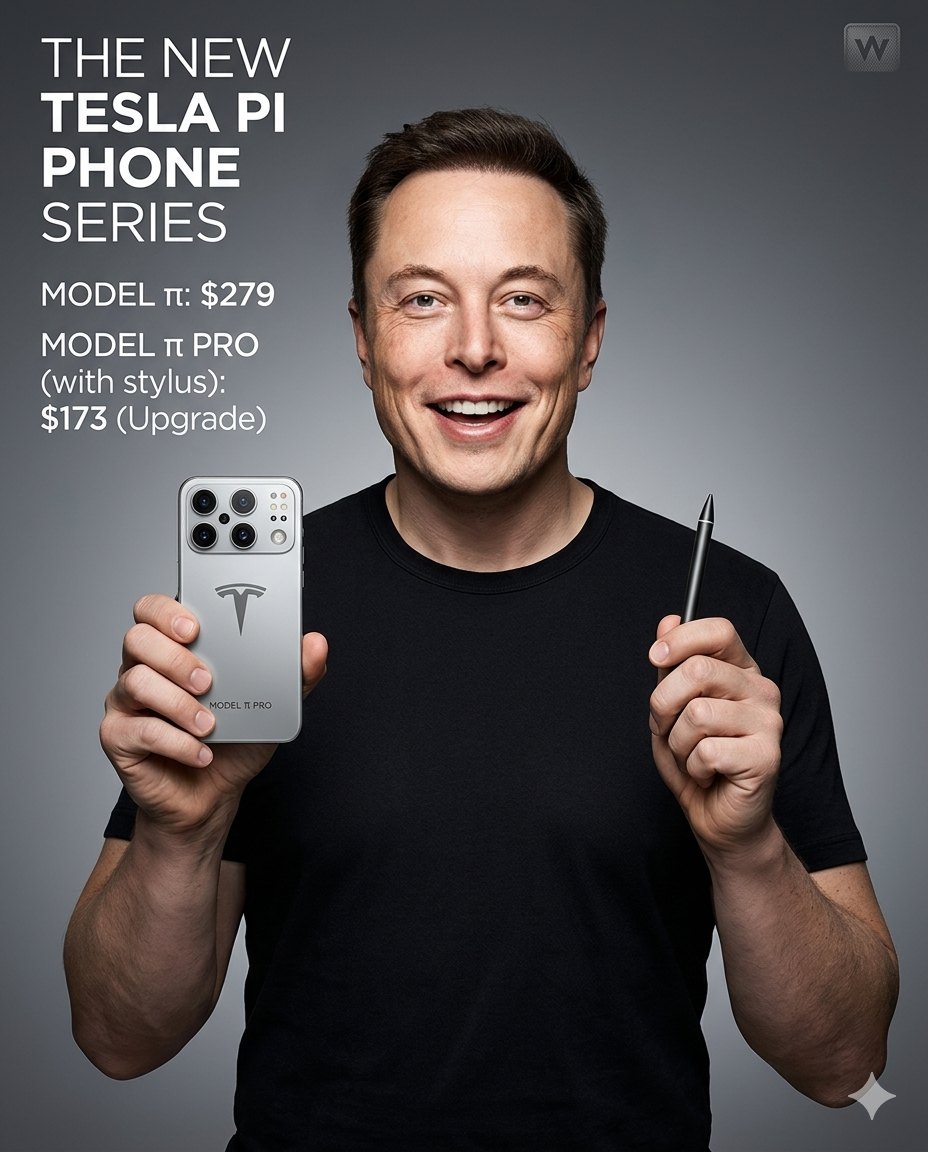
That’s the core issue with AI-generated hardware concepts: AI does not understand engineering, ergonomics, thermals, manufacturing tolerances, antenna placement, or internal architecture. It only remixes familiar visual signals. That’s why all these “Tesla Phones” look simultaneously overdesigned and creatively bankrupt. There’s no coherent design language, no relationship between materials and functionality, no believable manufacturing logic. Just glossy surfaces, oversized branding, and sci-fi lighting designed to trigger engagement.
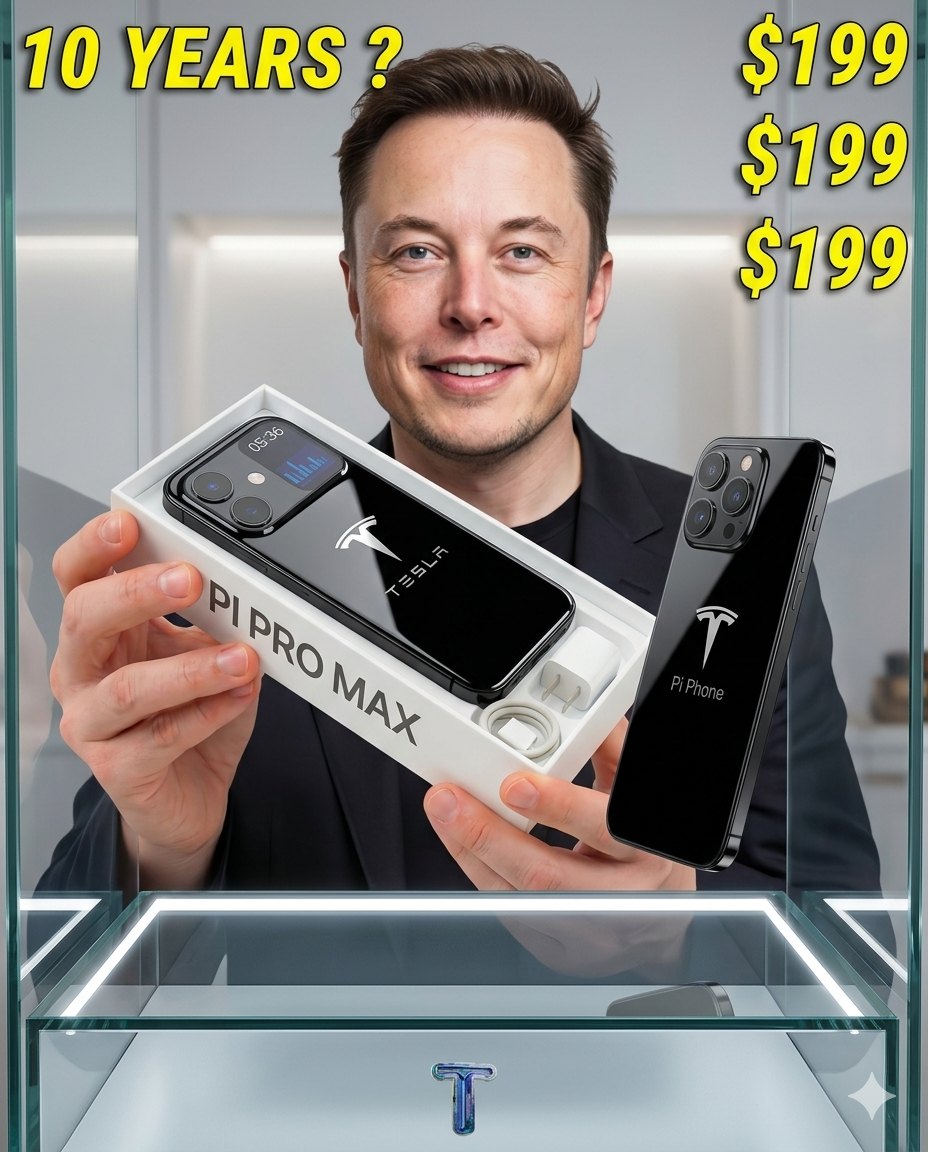
Then there’s the fantasy pricing. $199? $279? That alone exposes how detached these concepts are from reality. Building a flagship smartphone is brutally expensive. Supply chains, modem licensing, camera systems, certifications, software support, global distribution, thermal engineering, and battery development cost billions. Tesla has expertise in EVs and energy systems, not in maintaining a worldwide smartphone ecosystem competing against Apple, Samsung, and Chinese giants operating on razor-thin margins.
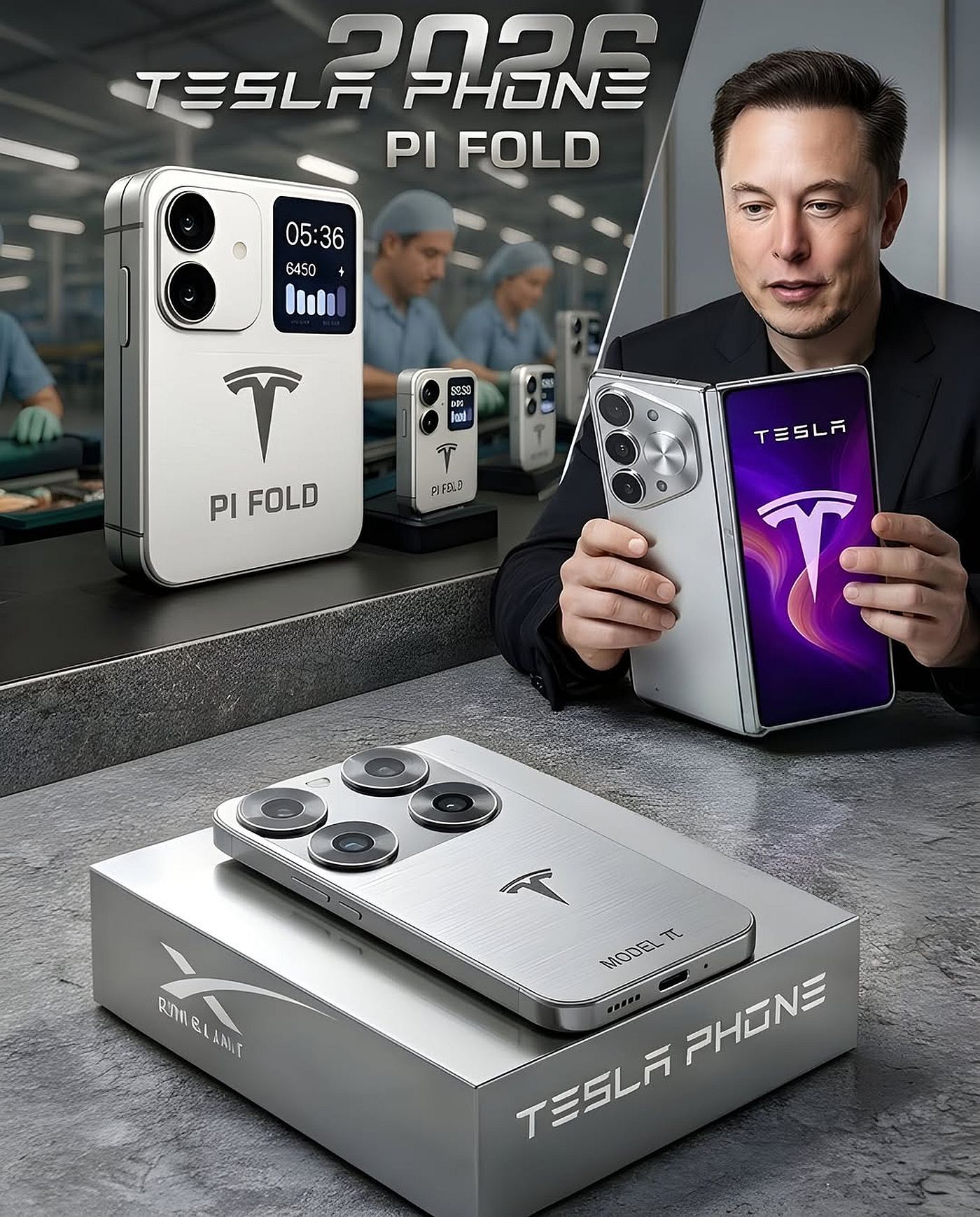
And of course, these concepts always pile on buzzwords: Starlink connectivity, solar charging, Neuralink integration, “10-year battery life,” satellite everything. Modern smartphones already struggle with heat dissipation, battery density, and physical space limitations. You cannot cram every futuristic fantasy into an 8mm slab just because AI made a cinematic poster.
The most depressing part is what these renders say about modern design culture. AI-generated concepts are slowly replacing actual industrial thinking with hollow visual remixing. Everything becomes optimized for virality instead of usability. No risk. No originality. No authentic design philosophy. Just endless recycled fragments of iPhones, Teslas, and Elon Musk thumbnails mashed together until people mistake algorithmic sludge for innovation.

Recent comments