Smartphones have come a long way from their humble beginnings, and in 2024, foldable phones are at the forefront of that evolution. These high-tech marvels promise to redefine how we interact with our devices, offering larger screens in compact bodies. However, while foldables may be an exciting glimpse into the future, they raise some critical questions: Are they just a passing trend, or do they represent the future of smartphones? One can’t help but be drawn to the Betwinner App due to its sleek, user-friendly design, much like the allure of foldable phones. But is the innovation worth it, or is it just a flashy gimmick?
What Sets Foldable Phones Apart?
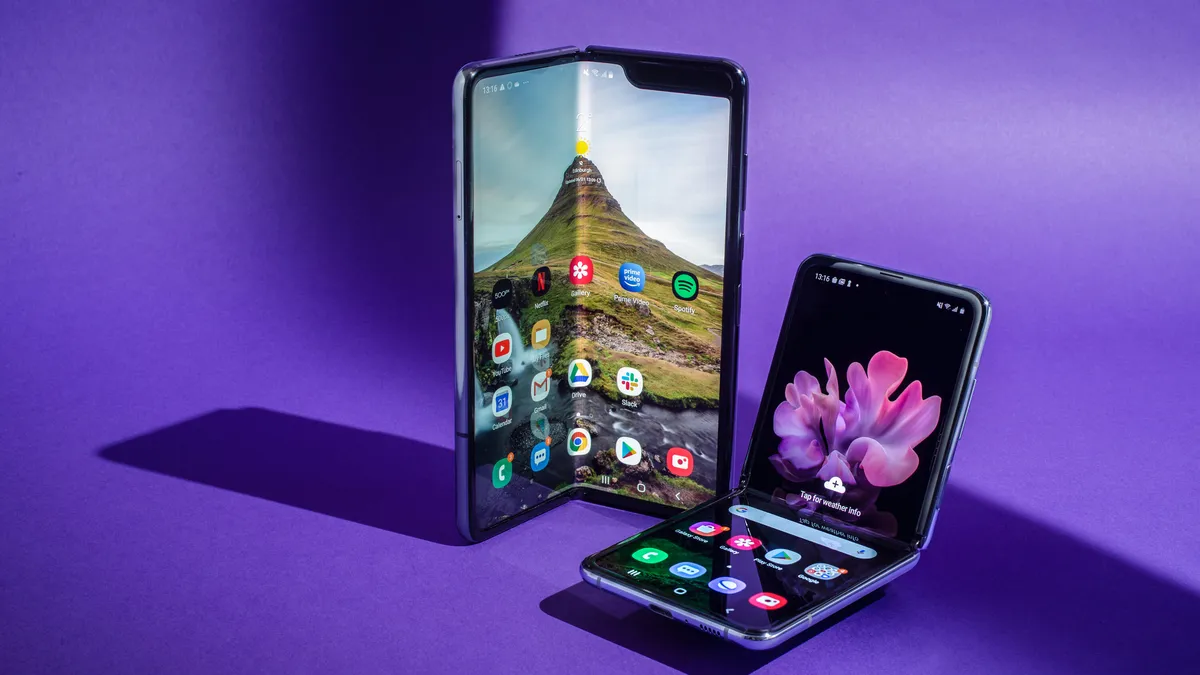
Foldable phones are known for their flexibility, allowing users to switch between a traditional smartphone experience and a larger tablet-like display. Major brands such as Samsung, Google, and OnePlus have joined the foldable race, each adding their own unique twist. The technology has advanced rapidly, and here’s why foldables are catching attention:
- Flexible Displays: The most obvious feature of a foldable phone is its ability to open and close like a book or flip vertically. Samsung’s latest Galaxy Z Fold 6 boasts a 7.6-inch foldable AMOLED display with a refresh rate of 120Hz. It’s essentially carrying a tablet in your pocket.
- Multi-Tasking: Foldables aren’t just bigger screens; they offer better multitasking. You can run multiple apps side by side, making them ideal for power users who need to get more done on the go. Whether it’s editing a document or catching up on emails, foldables make it more efficient.
- Improved Durability: Early foldables were criticized for their fragility, but brands have responded. The latest models, like the Galaxy Z Fold 6, feature reinforced hinges and tougher outer shells, reducing the risk of accidental damage.
The Numbers: Foldable Phones in 2024
To truly understand the potential of foldable phones, let’s break down some key numbers:
- Market Growth: By 2024, it’s projected that foldable phones will account for 3.1% of the global smartphone market. This might sound small, but it’s a leap from previous years, highlighting increasing consumer interest.
- Device Prices: Foldables aren’t cheap. The Samsung Galaxy Z Fold 6, for instance, starts around $1,900. That price tag puts it in the realm of luxury smartphones. Other options, like the Google Pixel Fold, cost approximately $1,799, with minor price variations depending on the storage configuration.
- Durability Improvements: The hinges on newer models can withstand over 200,000 folds, according to recent tests. This is a major leap from earlier versions, which could barely survive daily use.
- Weight and Portability: While foldables like the Samsung Galaxy Z Flip 6 offer compact designs, they are not exactly lightweight. For example, the Z Fold 6 weighs in at 239 grams, which is heavier than most standard phones but still manageable for a device that offers tablet-like functionality.
The Downsides of Foldables
For all the excitement surrounding foldables, they are not without their challenges:
- High Cost: As mentioned earlier, foldable phones are significantly more expensive than traditional smartphones. The steep cost is primarily due to the innovative screen technology and complex hinge mechanisms.
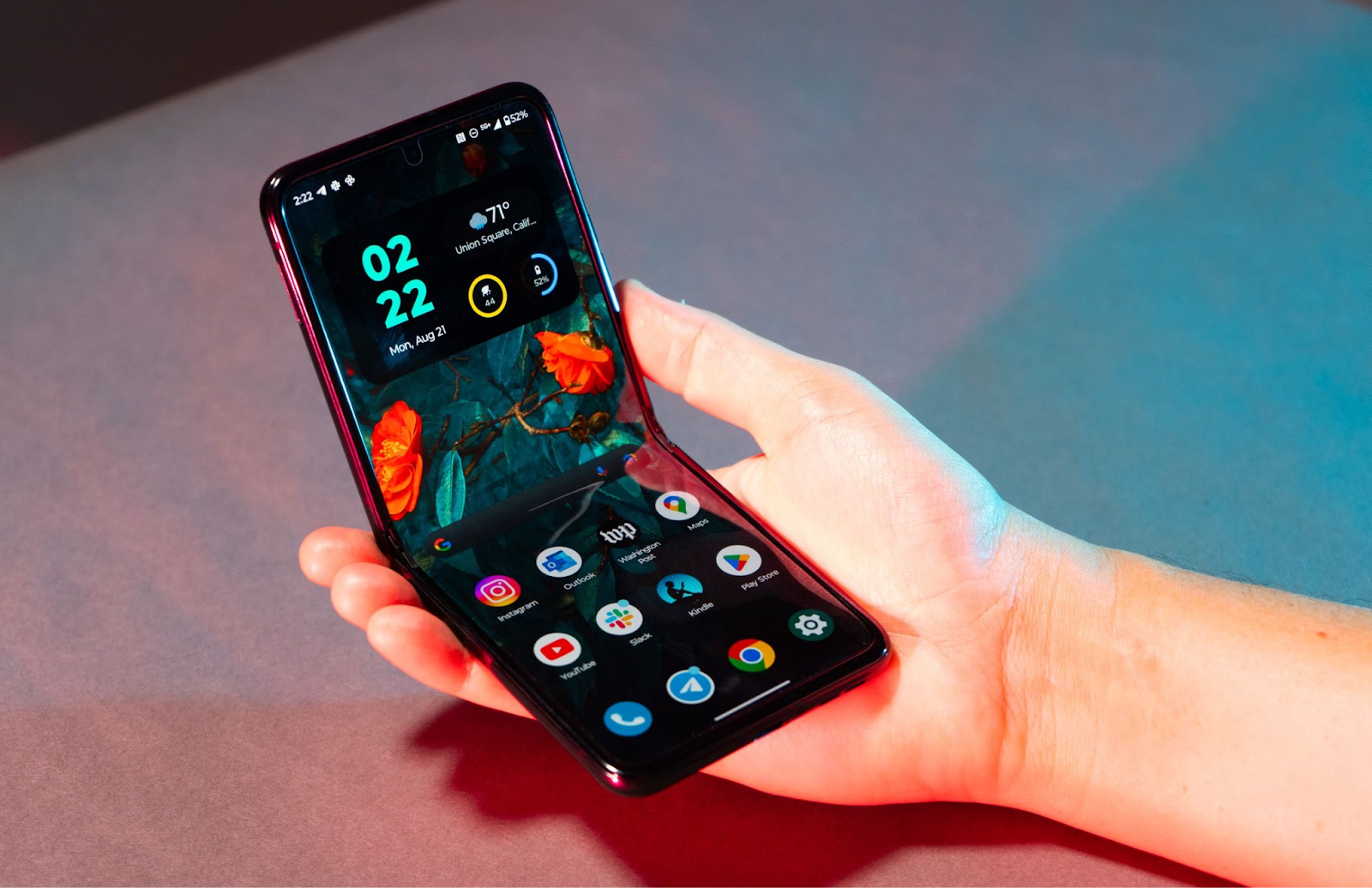
- Durability Concerns: Despite improvements, foldable screens remain more fragile than traditional glass displays. Even with better hinges and durable materials, foldables are not ideal for people prone to dropping their devices.
- Battery Life: The larger displays and multitasking capabilities come at the expense of battery life. Foldables tend to drain power faster, requiring users to charge their phones more frequently, though some models, like the Galaxy Z Fold 6, offer fast-charging solutions.
Who Should Buy a Foldable?
Foldables are not for everyone. They cater primarily to tech enthusiasts, multitaskers, and early adopters. People who value having the latest gadgetry and want a device that can replace both their phone and tablet will appreciate the flexibility of foldable phones. If you use your phone for productivity, gaming, or watching videos, foldables offer a premium experience.
However, for the average consumer, the high price tag and potential durability concerns might be deterrents. As technology improves and prices decrease, we could see foldable phones becoming more mainstream, but for now, they remain a niche product.
Conclusion: Are Foldable Phones the Future?
The future of foldable phones is promising, but not without its challenges. As of 2024, the foldable market is still growing, with more options becoming available from top manufacturers. However, whether foldables will dominate the smartphone market is yet to be seen. The high cost, durability concerns, and battery limitations make them a luxury for now. Still, foldable phones symbolize innovation in the smartphone industry, showing that there’s still room for growth and change.
For now, foldable phones are the future—just not the immediate future for everyone.

FAQ
1. What makes foldable phones different from regular smartphones?
Foldable phones feature flexible displays that allow them to open and close like a book or flip, offering larger screen real estate in a compact form.
2. Are foldable phones durable?
While early models faced durability issues, newer models have improved significantly with reinforced hinges and stronger materials.
3. Are foldable phones expensive?
Yes, foldable phones like the Samsung Galaxy Z Fold 6 can cost nearly $2,000, making them a premium product.
4. Who should buy a foldable phone?
Tech enthusiasts, multitaskers, and those who want a hybrid device that combines the functionality of both a smartphone and a tablet would benefit most from a foldable phone.

Recent comments