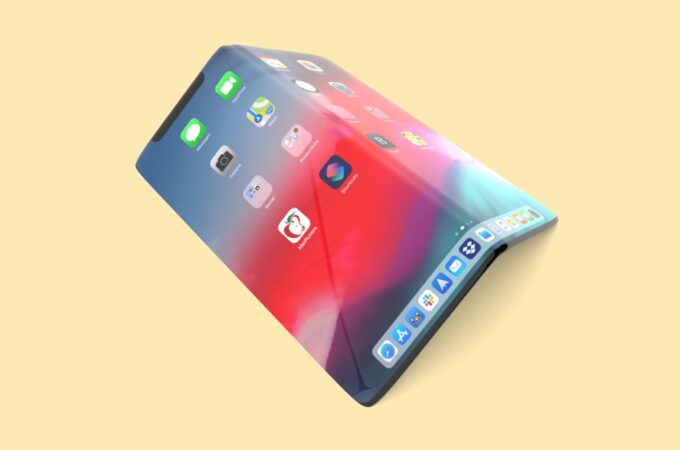
Foldable smartphones have moved from a futuristic concept to mainstream reality in just a few years. With major manufacturers investing heavily in foldable displays, flexible hinges and multi-screen experiences, these devices are changing how users interact with mobile technology.
While they offer exciting new possibilities, they also raise important questions for designers and developers. Streaming movies or even a mobile casino, foldable phones present both opportunity and complexity for today’s app creators, especially those building experiences for gaming.
As adoption increases, user experience design must evolve to meet the unique demands of these devices, and understanding the challenges involved is essential for developers who want to stay relevant in a rapidly changing mobile landscape. Let’s delve deeper to discover more.
New screen sizes and layout challenges
One of the biggest challenges foldable phones introduce is screen variability. Unlike traditional smartphones with predictable dimensions, foldable devices can switch between compact and tablet-like displays in seconds, which creates complexity for designers who must ensure that interfaces adapt seamlessly across multiple screen sizes and aspect ratios.
Apps need to respond dynamically when a device is opened or folded, without disrupting the user experience.
Poorly optimised layouts can lead to stretched content, awkward spacing or broken navigation, which means designers must rethink layout logic, scalable components and responsive design principles that go beyond what was previously required for standard modern smartphones.
Testing also becomes more complex. For example, developers must account for different folding states, orientations and usage scenarios, which increases development time and resource demands.
Multitasking and user behaviour shifts
Foldable phones encourage multitasking in ways traditional smartphones never could. Many devices allow users to run multiple apps side by side or interact with split-screen environments, which fundamentally changes how people use apps and what they expect from them.
For example, a user might browse the web while messaging, watch a video while checking emails, or play a game alongside a chat app. For designers, this means interfaces must remain clear and functional even when sharing screen space.
Buttons, menus and interactive elements need to be easily accessible without overwhelming the user.
This shift also affects attention spans and interaction patterns. Apps must deliver information efficiently and intuitively, as users may switch focus frequently. Designing for clarity, speed and adaptability has become more important than ever.
Performance and consistency across devices
Another major challenge is maintaining consistent performance across a growing range of hardware configurations. Foldable devices often feature high-resolution displays and powerful processors, but performance can still vary depending on how an app is optimised.
Ensuring that animations, transitions and interactive elements remain smooth in both folded and unfolded modes is a key focus for designers. Lag or visual glitches can significantly harm the user experience, particularly for content-heavy apps such as games or streaming platforms.
Battery consumption is another key consideration. Foldable screens demand more power, and poorly optimised apps can drain batteries quickly. Designers and developers must therefore balance visual richness with efficiency to deliver a reliable experience.
Opportunities for innovation in user experience
Despite the challenges, foldable phones also open the door to creative innovation. Larger screens allow for richer interfaces, immersive visuals and new interaction models that were not possible on traditional smartphones.
Foldables offer app designers willing to experiment a chance to rethink how content is presented and consumed, which is particularly relevant for entertainment-focused apps. Gaming, streaming and interactive platforms can take advantage of expanded screen space to deliver more engaging experiences.
Features such as dual-panel interfaces, enhanced controls and contextual information displays can elevate usability when implemented thoughtfully. As adoption increases, users will come to expect apps that fully embrace the potential of foldable devices rather than simply scaling up existing designs.
Final thoughts
Foldable phones represent both a challenge and an opportunity for UX app design, and while they introduce complexity in layout, performance and usability, they also push designers to innovate and rethink traditional mobile experiences.
As these devices become more mainstream, the apps that succeed will be those that adapt intelligently, offering seamless and intuitive experiences across all screen configurations. To sum up, the future of foldable technology promises both complexity and creative possibilities for designers and developers alike.

Recent comments